
You know the two versions of the weekend trip. In the good one, you come home Sunday night a little sunburned and completely satisfied, already telling people about the tiny restaurant you stumbled into. In the bad one, you spent Saturday power-walking between eleven landmarks, ate lunch standing up, saw everything and remember nothing, and needed Monday off to recover from your two days off.
The difference is almost never the city. It's the plan, or the lack of one. This post is a repeatable method for the 48-hour city break: how to actually enjoy a place across a Friday-evening-to-Sunday weekend without turning it into a checklist race. Less about which sights to see, more about the honest math and the ruthless choices that make a short trip feel long.
What 48 hours really gives you
"Two days" sounds generous until you lay it against a clock. A typical weekend break is not 48 hours of city. It's an arrival evening, one full day, and a departure morning, and every one of those chunks has time skimmed off the top.
Here is the real shape of it:
- Friday: land in the late afternoon or evening, get to your accommodation, drop bags. Realistically you have from dinnertime to bedtime, so three or four unhurried hours.
- Saturday: your one true full day. Even a good one runs roughly 9:00 to 22:00 with meals and rest folded in, so call it ten usable hours, not fourteen.
- Sunday: you're flying or training home. Between checkout, the trip to the airport or station, and buffer time, you get a morning at best, and it's a nervous morning if you overload it.
Now subtract the friction nobody plans for: the airport-to-center transfer (often 30 to 60 minutes each way), a slow first coffee while you orient yourself, the twenty minutes lost to a wrong turn. What's left is closer to a day and a half of genuine exploring. A weekend break works when you plan for the day and a half you actually have, not the two days the calendar pretends you got.
Pick three anchors, not thirty
The single biggest mistake in weekend city break planning is treating the trip like a sampler platter of everything a place is famous for. You can't see a city in a weekend. You can enjoy one. Those are different goals, and only the second is achievable.
So do the hard thing up front: pick exactly three anchors. Not a top-ten list you'll "try to get to," three things you're actually building the weekend around.
- One unmissable sight. The one thing that would make you genuinely annoyed to have skipped. The Alfama viewpoints in Lisbon, the Belvedere in Vienna, the harbor at Nyhavn in Copenhagen. Just one.
- One for atmosphere. Not a monument, a mood. A market, a park, a canal-side walk, a neighborhood that has nothing to "do" but everything to soak up. This is the anchor most people cut, and it's the one they remember.
- One meal that matters. A specific dish or a specific place, booked or scouted in advance. Not "we'll find somewhere," which reliably becomes a mediocre lunch near the tourist sight because you were hungry and out of ideas.
Everything else is a bonus, not an obligation. When you catch yourself adding a fourth must-do, ask what it's replacing, because in 48 hours, adding is always subtracting. If you're used to planning a longer trip, this is the discipline that changes: our guide to building a trip itinerary works in days and themes, but a weekend works in anchors and gaps.
Cluster by district so you walk, not commute
Once you have three anchors, geography decides your schedule. The goal is simple: one neighborhood per half-day, so your movement between things is a pleasant walk, not a transit puzzle.
Cross-town hops are the silent killers of a short trip. A single 40-minute metro ride there and back is nearly an hour and a half gone, plus the mental tax of navigating a system you don't know. Do that three times and you've spent your best day underground.
Group what you want by area, then let each cluster own a block of time:
- Friday evening: whatever neighborhood is near your accommodation. Don't travel on arrival night.
- Saturday morning and early afternoon: the district around your unmissable sight. See the big thing, then let the surrounding streets carry you.
- Saturday late afternoon and evening: your atmosphere anchor, ideally an adjacent or one-stop-away neighborhood, ending near where you'll eat.
- Sunday morning: something walkable from your hotel, because you cannot afford a transit gamble before a flight.
If two of your anchors are on opposite sides of the city, that's useful information: it tells you which one to demote. Proximity is a feature, not a compromise. A slightly less famous viewpoint you can walk to beats a marginally more famous one that costs you 90 minutes of round-trip commuting.
The arrival evening: keep it low-stakes and set the tone
The Friday night mistake is trying to "get a head start." You land tired, slightly disoriented, possibly hungry, and the worst thing you can do is sprint to a major sight that deserves your full attention.
Treat the arrival evening as a warm-up, not a chapter. Its whole job is to get you fed, oriented, and gently in love with the place:
- Eat somewhere near your accommodation that you picked in advance, so there's zero decision fatigue after travel.
- Take one slow, aimless walk. No destination. Let the streetlights and the sound of the place do the work.
- Do the boring admin now: buy the transit card, figure out which direction is the center, note where the good coffee is for tomorrow.
If a sight happens to be lit up and near you, admire it from outside and save the inside for daylight. Keep the arrival evening low-stakes on purpose.
Your one full day: front-load the single big timed thing, then wander
Saturday is the whole trip, really. Protect it. The structure that works almost everywhere is: do the one thing that has a clock on it first, then unclench.
Front-load the timed thing. Anything with a queue, a timed-entry ticket, or a "best before the crowds" quality goes in the 9:00 to 11:30 slot. Famous museums, popular viewpoints, and hilltop castles are calmer and cooler in the morning, and getting the one stressful, scheduled item done early means the rest of the day owes you nothing. You've already won.
Then wander with intent. After the anchor, drop the schedule. Walk the neighborhood around it, follow a street because it looks good, sit down when you want to. This is the part that makes a city feel like yours instead of a list you processed. Give it real hours, not the scraps between attractions.
Build in a genuine break. Around mid-afternoon, stop for an hour. Coffee, a park bench, feet up at the hotel. The instinct to power through is exactly what produces the "I need a holiday from my holiday" feeling.
End with the atmosphere anchor and the meal. Roll into your evening neighborhood, catch the light changing, and land at the dinner you planned. If you booked it, this is where that pays off.
The departure morning: a bonus, never the home of an unmissable
Sunday morning is real time and a lovely bonus, but it is structurally fragile. Checkout looms, bags are a factor, and the airport clock is ticking in the back of your mind. So the rule is absolute: nothing you'd be sad to miss goes here.
What the departure morning is good for:
- A relaxed breakfast at a place you clocked earlier.
- A short, walkable loop near your hotel, one last look.
- A market or a park you can leave the instant you need to.
Left-luggage services and hotel bag storage buy you a couple of extra hours if your flight is later, and they're worth every cent. But keep the morning loose. If it rains or you oversleep, you should lose nothing that mattered. An unmissable sight on Sunday morning is a plan quietly setting you up to feel cheated.
Book the few things that sell out, leave the rest loose
Over-planning a weekend is as damaging as under-planning it. The skill is knowing the short list of things that genuinely need to be locked, and leaving everything else open to the day.
Book in advance (the sell-out list):
- Timed-entry tickets to famous museums and monuments, which routinely sell out days ahead in peak months.
- One dinner reservation for Saturday, ideally the meal that matters.
- Airport transfers only if the public option is genuinely bad or runs infrequently at your arrival time.
Leave loose (the freedom list):
- Lunches, coffees, casual dinners. Walk in.
- Neighborhoods to wander, viewpoints, parks, markets.
- Sunday morning, entirely.
Let a tool hold the map and the hours while you keep the freedom. Build the day-by-day in Atlazi's planner so the timed anchor and your dinner are pinned, then browse stays and neighborhoods on the search page without turning your weekend into a spreadsheet. The point isn't to schedule every minute. It's to lock the two or three things that punish spontaneity and stay spontaneous about the rest.
Where to stay for 48 hours
For a longer trip, a cheaper place a bit outside the center can be smart. For a weekend, it usually isn't. When time is your scarcest resource, central beats cheap-and-far almost every time.
Do the math the way you'd do it for a flight. A hotel that's 30 minutes further out costs you an hour of round-trip travel every time you leave and return, and on a short trip you might do that three or four times. That's easily two or three hours of your best waking time spent commuting, plus transit fares that erode the savings. Paying a bit more to sleep in the middle of the action often works out cheaper once you count the time. It's one of the hidden costs of a trip that never shows up on the booking page.
Look for a place inside or right next to the district holding two of your three anchors. That single choice quietly removes most of the transit friction from the whole weekend. Central and small beats spacious and distant when you're only there for 48 hours.
A worked example: one weekend in Lisbon
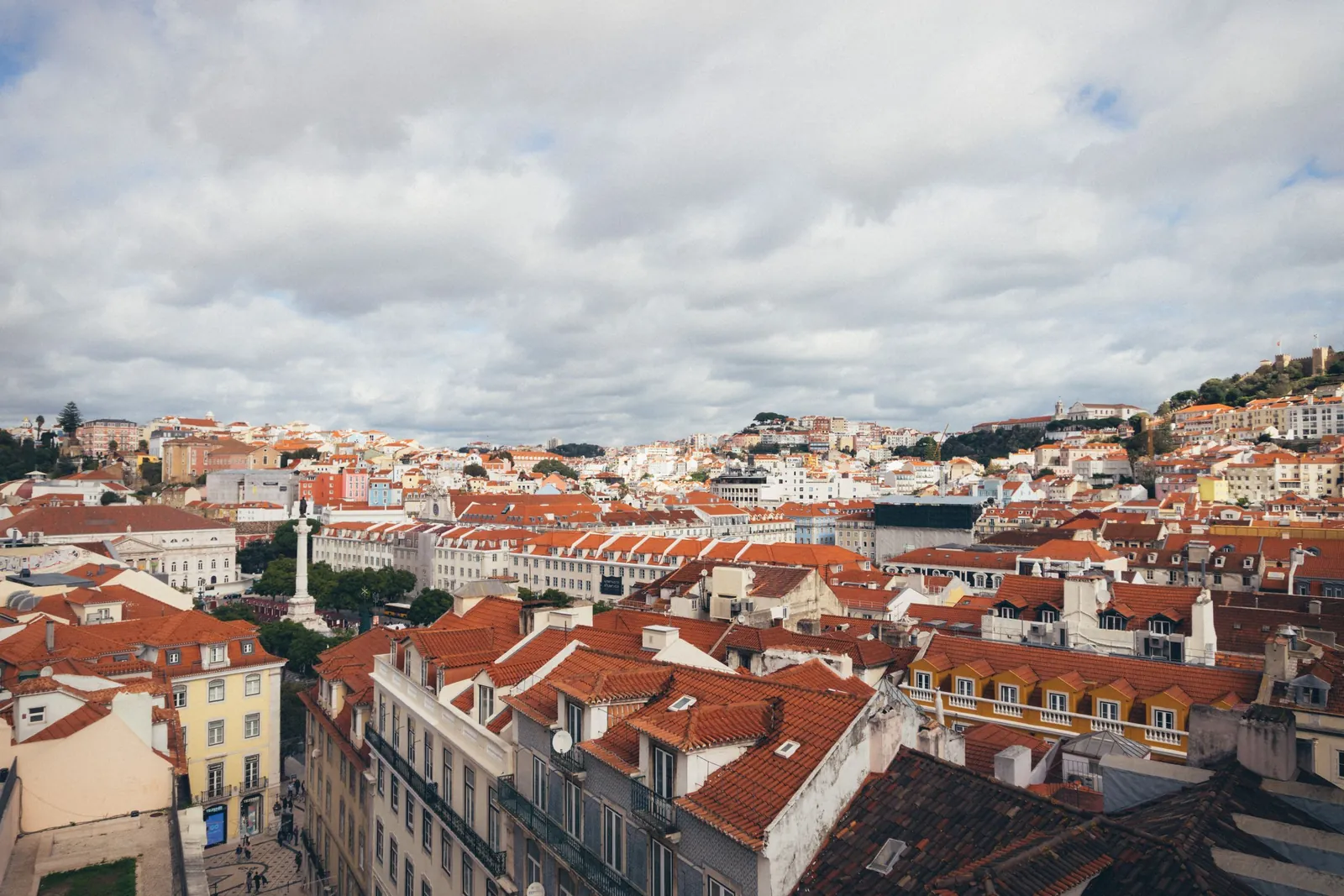
Here's the method applied to a real, walkable city. Lisbon works well for a weekend because its core is dense, hilly, and full of atmosphere, and you can hit very different moods on foot.
The three anchors:
- Unmissable sight: the viewpoints and streets of Alfama, the old Moorish quarter, ideally reached with a ride on tram 28 or a climb up to the Miradouro da Senhora do Monte for the rooftops-and-river view.
- Atmosphere: the Time Out Market and the riverside walk in Cais do Sodré, or the faded grandeur of Chiado at dusk.
- Meal that matters: a proper seafood dinner, or an evening of fado in a small Alfama tavern where dinner comes with the music.
Friday evening. Land, drop bags in Baixa or Chiado (central, walkable to almost everything). Dinner nearby, then a slow downhill wander to the river to watch the ferries. No sights, no stress.
Saturday. Front-load Alfama in the morning while it's cool and the light is good, before the tram queues build, then wander its maze with no agenda for a couple of hours. Break in the early afternoon. Late afternoon, drift into Chiado and Cais do Sodré for the atmosphere anchor, timing your arrival for golden hour. End at your booked seafood or fado dinner.
Sunday morning. A pastel de nata and coffee near the hotel, one short loop through Baixa's grand squares, and a stop at a shop for a tin of tinned fish to take home, all of it walkable and all of it droppable the moment you need to leave for the airport.
Notice what this plan doesn't do. It doesn't add Belém, 6 km west, because that monastery-and-tower district is a half-day of its own and squeezing it in would gut the wandering time that makes the weekend feel human. Belém is why you come back. If two days feels tight for a place you love, that's your signal to plan the longer version, the way we lay out a three-day city itinerary with room to breathe.
Common 48-hour mistakes
- Planning for 48 hours instead of a day and a half. The transfers and buffers are real. Plan for the time you'll actually have.
- The checklist race. Chasing ten sights guarantees you enjoy none. Three anchors, done well, beat ten anchors half-seen.
- Cross-town zigzagging. Bouncing between opposite neighborhoods burns your best hours underground. Cluster by district.
- Sprinting on arrival night. A tired sprint to a major sight wastes both the sight and your evening. Keep Friday low-stakes.
- Loading the departure morning. Anything unmissable placed on Sunday is a plan built to disappoint you.
- Cheap-and-far lodging. The savings evaporate into transit time. On a weekend, buy the central location.
- Ignoring the calendar. A weekend during a peak festival is a different, more crowded trip. Timing it for a quieter shoulder-season weekend can transform the same city.
Frequently asked questions
Is 48 hours enough to see a city? Enough to enjoy a city, yes. Enough to see a whole one, no, and chasing that is the mistake. Treat a weekend as a rich sample of one or two neighborhoods and their best sight, and you'll come home satisfied rather than exhausted.
How many attractions should I plan for a weekend city break? Aim for three anchors: one unmissable sight, one atmosphere experience, and one meal that matters. Anything beyond that is a bonus you take if the day offers it, not an item you force.
Should I book everything in advance for a 48-hour trip? Book only the things that sell out or punish spontaneity: timed-entry tickets to major museums and monuments, and one Saturday dinner. Leave lunches, coffees, wandering, and the whole Sunday morning loose.
Is it worth flying somewhere for just two days? Often, yes, if the flight is short and you keep expectations honest. A close-by city two hours away rewards a weekend far better than one that eats half your Friday and Sunday in transit.
Where should I stay for a weekend city break? As central as your budget allows, ideally beside the district holding two of your three anchors. On a short trip, the time you save not commuting is worth more than the money you'd save staying further out.
The weekend that sings
A great 48-hour city break isn't the one where you saw the most. It's the one where you moved slowly enough to actually be somewhere. The method is small and repeatable: respect the honest time math, choose three anchors, cluster by district, protect Saturday, and keep the edges loose. Do that, and a weekend stops feeling like a race and starts feeling like a proper trip.
The fiddly part, the timed ticket and the dinner that need locking, the map that keeps your anchors walkable, is exactly the part Atlazi's planner is built to handle. Tell it where you're going and how long you've got, and it turns a weekend into a clear, unhurried plan. Browse a city on Atlazi and see how good your next two days could feel.