
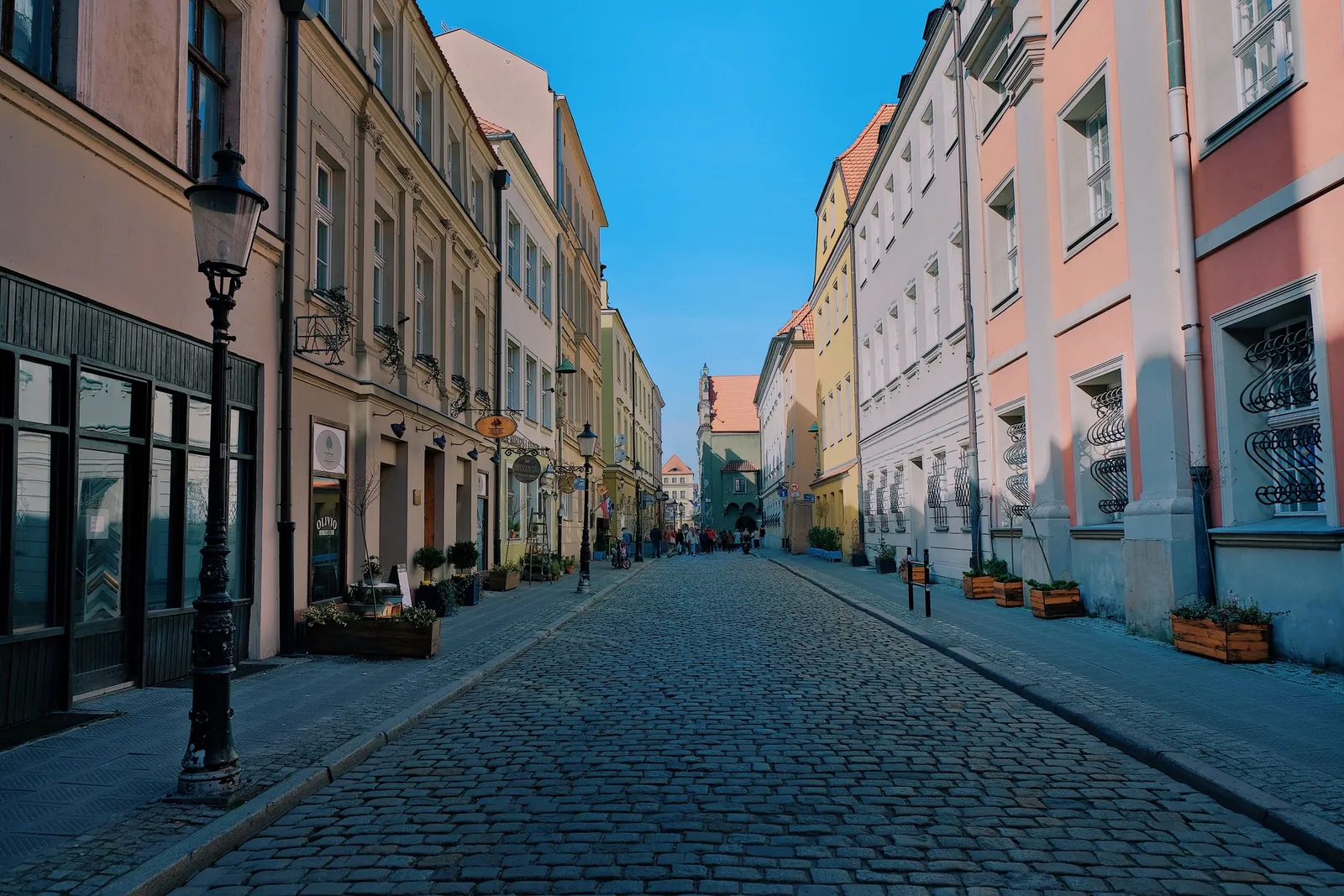
Picture the same square in the same city, two months apart. In August, you queue forty minutes for a photo you have seen a thousand times, the café charges peak prices for a lukewarm coffee, and the hotel that felt like a splurge is fully booked anyway. In late September, the light is softer, the queue is a handful of people, the same café has a free table on the terrace, and the room costs a third less. Same city, same landmarks, completely different trip.
That gap between the crush and the calm has a name, and learning to aim for it is one of the highest-leverage skills in travel. This post shows you what shoulder season is, why it so often beats both the busy and the dead months, and a repeatable method to find it for any destination, plus typical windows for popular regions.
What shoulder season actually means
Every destination has a rhythm across the year, and it usually breaks into three phases.
- Peak season is when a place is at maximum demand: best weather, school holidays, marquee events, everyone traveling at once. Prices are highest, availability is tightest, and popular sights run at capacity.
- Off-peak season is the opposite extreme: lowest demand, cheapest prices, thinnest crowds, but often for a reason. Weather can be cold, wet, or brutally hot, daylight can be short, and some hotels, restaurants, and ferry routes simply close.
- Shoulder season is the transition on either side of peak, the weeks that shoulder up against it: the ramp before the summer rush and the wind-down after it. Weather is usually still good, but the crowds and prices have not fully arrived or have already started to leave.
Most destinations have two shoulder windows, one in spring and one in autumn, the natural bridges between a busy peak and a quiet low season. A few places flip the script: in the desert Southwest or much of Southeast Asia, the fierce heat or the monsoon is the low season, and the shoulders sit around a cooler, drier peak instead. Either way, shoulder season is the edge of peak, not the trough.
Why shoulder season often beats both peak and off-peak
Any trip's timing is a three-way tradeoff between weather, crowds, and price. Peak maximizes weather but also crowds and price. Off-peak minimizes crowds and price but often sacrifices the weather and half the things you came to do. Shoulder season is the compromise that refuses to feel like one. Here is the practical case for it:
- The weather is usually still on your side. A Mediterranean coast in early June or late September is warm and swimmable without the July furnace. Kyoto in April or November is mild and dry. You give up a little reliability, not the whole experience.
- Crowds thin out fast. Once school is back in session, family travel drops off a cliff, and the viewpoint that needed a timed ticket in August is a walk-up in October.
- Prices soften across the board. Flights, hotels, and rental cars are all demand-priced. When demand dips, so do they, often by a meaningful margin.
- The place feels more like itself. In peak season a destination performs for tourists. In the shoulder, locals are back in their cafés and restaurants are not slammed.
You are not chasing the cheapest week of the year, but the best ratio: good-enough weather with much smaller crowds and much lower prices.
How to find any destination's shoulder season
You need three signals, and where they overlap is your window. Run them in order.
1. Find the weather shoulder
Start with climate, because it sets the outer boundary. Pull up historical monthly averages for temperature and rainfall, and, for beach or hiking trips, sea temperature or trail conditions. You are not looking for the single best month, but for the months just before and after the ideal ones, where conditions are still comfortable but no longer perfect. If July and August are the postcard months, the weather shoulder is usually late May to June and September into early October. If the peak is defined by dryness rather than heat, it sits at the damp edges of the dry season instead.
2. Check the school-holiday calendar
Crowds and prices are driven less by weather than by when families can travel, and that is dictated by school calendars, not thermometers. The big pressure points are summer break (broadly late June through August across the Northern Hemisphere, though exact weeks vary by country) and the shorter Christmas, Easter, and mid-term breaks. The magic of shoulder season is that it lands in term time: the moment kids are back in class, a huge slice of demand evaporates even though the weather has barely changed. If you can travel without school-age children, the first week or two after a major holiday ends is often the best value of the year.
3. Read the local event calendar
The last signal is specific to the place. A destination's own festivals, marathons, conferences, and religious holidays can spike peak-level demand in an otherwise quiet month. Before you lock a date, search the city's event calendar for your candidate weeks. You are looking for two things: a hidden surge that will blow up prices (a major trade fair can fill every hotel in a business city), and a genuine highlight worth timing your visit around. Where the weather shoulder, the term-time calm, and a clear event calendar line up, you have found your window. This is exactly the legwork Atlazi's planner does with you, so you can pressure-test a month before you commit to flights.
Typical shoulder-season windows for popular regions
Treat every range below as typical, not guaranteed. Use each as a starting point, then verify against current forecasts and this year's calendar before you book.
- Mediterranean Europe (Spain, Italy, Greece, southern France, Croatia): typically May to mid-June and September into mid-October. The sea is still warm enough to swim in autumn, the summer heat and the August wall of tourists have eased, and coastal towns breathe again.
- Northern and Central Europe (UK, Netherlands, Germany, Austria, Nordics): typically late April to May and September to October. You trade guaranteed sun for long, mild days, real availability, and city sights without summer queues.
- Japan: typically late March to April and late October to November. These are the cherry blossom and autumn foliage windows, popular in their own right, so book early. Weather is mild and dry, ideal for walking cities.
- Southeast Asia (Thailand, Vietnam, Indonesia): the pattern is inverted around the wet season, so shoulder windows fall at the edges of the dry season, roughly late October to November and April to May, depending on the country and coast. You catch drier weather without full high-season pricing.
- US national parks (Utah, California, the Rockies): typically May and September to early October. You avoid the July heat and peak-summer parking chaos, and campsites and permits are far easier to land. Higher-elevation trails may still hold snow in spring, so check.
- The Caribbean and Mexico's coasts: typically late April to early June, after the winter high season and before the wettest, most hurricane-prone stretch. Water is warm, resorts discount, and beaches are quiet.
For a city-by-city read, our Barcelona 3-day itinerary breaks down the best time to visit in this spirit, and you can browse hundreds more places on the Atlazi destinations pages.
The tradeoffs you accept in shoulder season
Shoulder season is a bargain, not a free lunch, and clear eyes keep it that way.
- Some things close. Seasonal beach clubs, mountain lifts, smaller island ferries, and family-run restaurants sometimes shut in the low-demand months. Check that the specific thing you care about, a hike, a boat trip, a hilltop restaurant, is operating on your dates.
- The weather is more variable. A shoulder month gives you good odds, not a guarantee: a run of perfect days or a stubborn rainy spell, which you manage with a flexible plan rather than a rigid one.
- Daylight can be shorter, and some sights keep reduced hours. An October afternoon ends earlier than a July one, and opening times can shrink outside peak season. Front-load outdoor sightseeing, save museums for the darker hours, and check the two or three sights you would be sad to miss.
None of these are dealbreakers; just build a little slack into the plan.
How to capture the savings
Picking the right month is half the win. The other half is booking well.
- Be flexible on the exact dates. Prices within a shoulder month are not flat. Use flexible-date search, find the cheapest run of days on the fare calendar, and build the trip around those.
- Fly and stay midweek. A Tuesday-to-Tuesday trip almost always beats a Saturday-to-Saturday one, because weekend demand props up prices even in a quiet month. Shifting your arrival by a day or two can move the whole trip into a cheaper bracket.
- Book flights early, hotels a little later. Airfares in a popular shoulder window tend to climb as seats sell, so lock those sooner. Hotels, especially independent ones, often release shoulder-season deals closer in, so waiting can pay once your flights are set.
- Watch for the changeover date. Many hotels and tour operators switch between high-season and low-season pricing on a fixed calendar date. Booking on the low-season side of that line can drop the nightly rate for essentially identical weather.
Build a weather backup into the plan
Shoulder weather is the one variable you cannot control, so plan as if one day will be a washout. The simplest insurance is a two-track itinerary: for each day, know the outdoor plan and the wet-weather alternative, so a beach day can become a covered market and a museum. If you are moving between places, keep the flexibility to swap the order of days and chase the better forecast. If your route spans several stops, our guide to multi-city trip planning covers how to sequence a journey so it flexes instead of breaking. The point is not to over-plan, but to keep a Plan B ready so a gray morning costs you nothing but a change of activity.
A quick worked example: why late September wins the Mediterranean
Say you want a warm coastal week in Italy without the August madness. Run the signals.
- Weather shoulder: July and August are the peak. The sea holds summer heat into autumn, so late September still delivers swimmable temperatures and long, warm days without the ferocious midday heat.
- School calendar: European schools are back by early to mid-September, so family demand has collapsed and late September sits comfortably in term time.
- Event calendar: the big summer festivals are over, and you are ahead of any autumn trade-fair spikes in the larger cities.
All three point to the same window, so late September wins: warm sea, thin crowds, softer prices, and coastal towns that feel lived-in rather than overrun. A mid-August trip would be hotter, more crowded, and pricier for weather that is only marginally more reliable. That single reasoning pass, run for any destination, turns a hunch about timing into a confident booking.
Frequently asked questions
What is the difference between shoulder season and off-peak? Shoulder season is the transition on either side of peak, where the weather is usually still good but crowds and prices have eased. Off-peak, or low season, is the deepest trough of demand: cheapest and quietest, but often with worse weather, shorter days, and more closures. Shoulder is the balance; off-peak is the bargain with strings.
Is shoulder season always cheaper than peak? Almost always, because flights, hotels, and cars are priced by demand and demand is lower. The exception is when a big event, a festival, marathon, or conference, lands in an otherwise quiet month and spikes local prices. That is why you check the event calendar before you book.
When is shoulder season in Europe? For Mediterranean Europe, typically May to mid-June and September into mid-October. For Northern and Central Europe, typically late April to May and September to October. Treat these as starting points and verify against this year's calendars.
Will attractions be closed during shoulder season? Some seasonal operations, beach clubs, lifts, smaller ferries, and family-run restaurants, may be closed or on reduced hours near the low-demand edge. Major museums and landmarks generally stay open. Confirm the specific things you care about for your exact dates.
Do I have to skip peak-season events to travel in the shoulder? No. If a specific festival or bloom is the whole point, time your visit to it and accept the crowds for those days. Shoulder-season thinking still helps you choose the quieter edge of that event and plan the rest around calmer, cheaper weeks.
The takeaway
Shoulder season is not a secret so much as a habit: instead of asking only where you want to go, you ask when that place gives you the most for the least. Run the three signals, accept a little weather variability, book midweek and flexibly, and you land the better version of almost any trip.
Doing this by hand for every candidate destination is tedious, which is why most people default to July and pay for it. Atlazi does the tedious part with you: describe the trip you want, and the planner weighs timing alongside your interests and budget to build a day-by-day itinerary you can shift as the forecast firms up. Start planning your trip and let the calendar work in your favor. For the full method, our guide on how to plan a trip itinerary walks through the rest.