Barcelona is one of those rare cities that rewards both planning and wandering. In three days you can stand beneath Gaudi's still-rising Sagrada Familia, get lost in the medieval lanes of the Gothic Quarter, watch the sun go down over the city from Montjuic, and eat your body weight in tapas. The catch is that its highlights are spread across distinct neighbourhoods, so the order you visit them in makes an enormous difference to how relaxed the trip feels.
This is a realistic, day-by-day guide to the perfect 3 days in Barcelona. Each day is grouped by area to keep walking sensible, with timings, how to get between stops, and the practical tips, tickets, best times, where to stay, that make the difference between a smooth trip and a stressful one. If you have read our step-by-step guide to planning a trip itinerary, this is that method applied to one brilliant city. You can also read the full Atlazi Barcelona destination guide for more background before you go.
Before you go: three tips that change everything
- Book Sagrada Familia and Park Guell tickets in advance. These are the two sights that sell out, and both use timed entry. Reserve your slots online days ahead, especially in summer. Arriving without a ticket often means not getting in at all.
- Get a transit card. Barcelona's metro is fast, clean and easy. A multi-trip travel card (the T-casual covers ten single journeys) works across metro, bus and tram, and saves you buying tickets every time. The airport is connected to the centre by both metro and the Aerobus.
- Watch your belongings. Barcelona is a wonderful, safe city to walk, but it has a reputation for pickpockets around La Rambla, the metro and busy tourist spots. Keep bags zipped and in front of you in crowds. Simple habits, no paranoia needed.
Where to stay in Barcelona
Where you base yourself shapes how much time you spend on the metro. Good options for first-timers:
- Eixample: central, elegant, grid-planned and packed with Modernista architecture (including Casa Batllo and La Pedrera). Great transit links and a fantastic base for this itinerary.
- Gothic Quarter / El Born: atmospheric medieval streets, walkable to the waterfront, buzzing with bars and restaurants. Lively, occasionally noisy at night.
- Barceloneta: by the beach, relaxed, ideal if sea and seafood are priorities, though slightly removed from the main sights.
Eixample is the sweet spot for most people: central to everything in this plan, with excellent metro access. Wherever you stay, aim to be within a short walk of a metro station, it makes the whole trip smoother, and try to book somewhere with air conditioning if you are visiting in summer.
Day 1: Gaudi's masterpieces and the heart of Eixample
Day one is dedicated to Antoni Gaudi, the architect whose imagination defines modern Barcelona. These sights sit in and around the Eixample district, so the day flows without long transit hops.
Morning: Sagrada Familia (9:00 to 11:30)
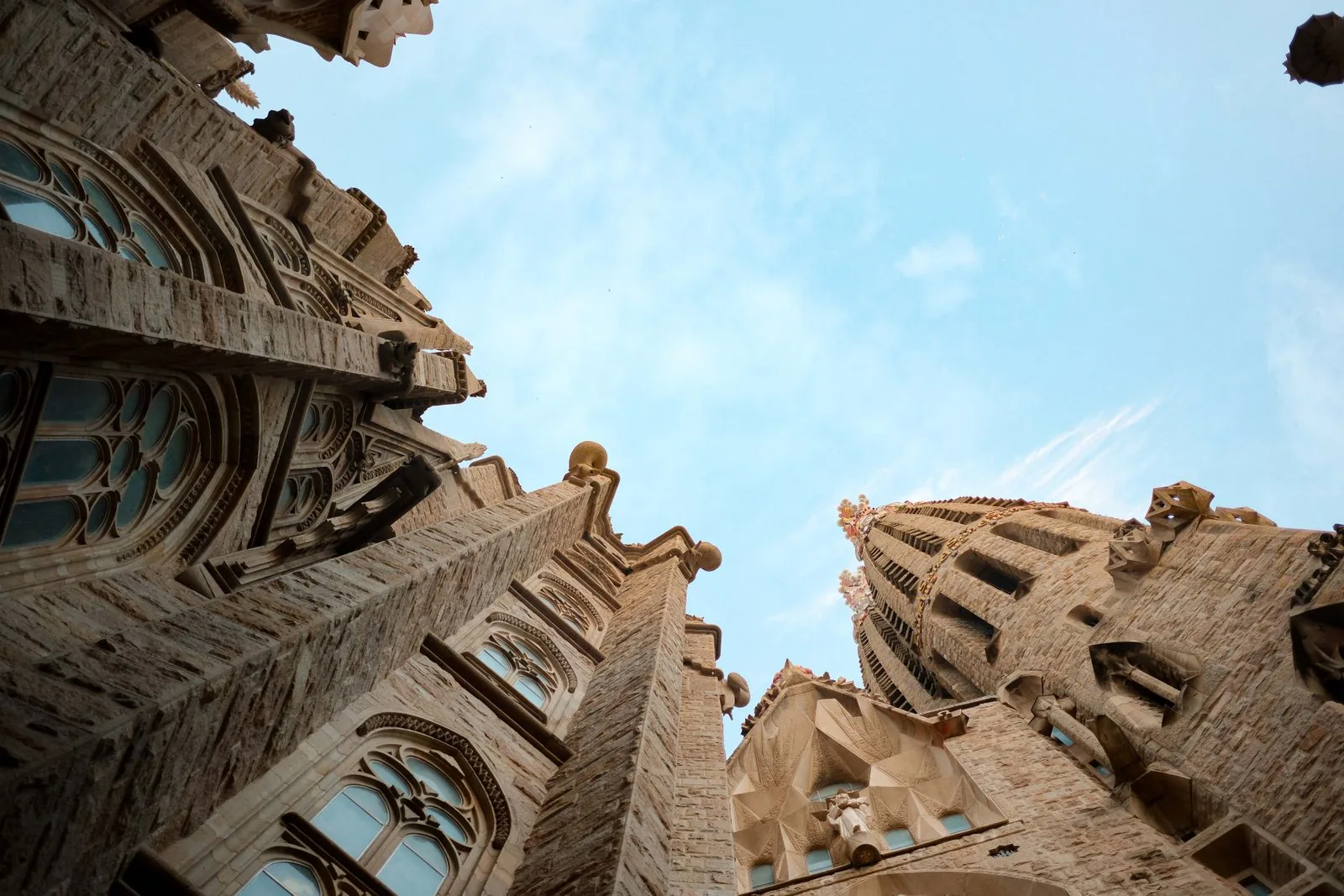
Start at the Sagrada Familia, Gaudi's extraordinary unfinished basilica and the city's must-see landmark. Book the first entry slot of the day; the light through the stained glass in the morning is unforgettable, and you beat the biggest crowds. Give yourself around two hours, and consider adding a tower visit for the view (this is a separate timed add-on). Take a moment outside too, the exterior facades reward slow looking.
Late morning: walk into central Eixample (11:30 to 13:30)
From the basilica it is a pleasant walk or a couple of metro stops toward the Passeig de Gracia, Eixample's grand avenue. Here you will find two more Gaudi landmarks almost side by side: Casa Batllo, with its dragon-scale roof and bone-like balconies, and La Pedrera (Casa Mila), famous for its wave-like stone facade and surreal rooftop chimneys. You do not have to tour both interiors, pick the one that appeals most, or simply admire the exteriors, but seeing them in sequence is easy and rewarding.
Lunch and afternoon (13:30 onward)
Stop for lunch in Eixample, then spend the afternoon at a relaxed pace. If you toured Casa Batllo in the morning, use the afternoon for La Pedrera's rooftop, or wander the district's shops and cafes. The point of grouping these Gaudi sights together is that you are never far from the next one, no crossing the city, no wasted time. End the day with an early tapas dinner to ease into Spanish eating hours.
Day 2: The Gothic Quarter, La Rambla and the waterfront
Day two moves to the old city, a completely walkable cluster of medieval streets, a famous boulevard, and the seafront. You will barely need transit today.
Morning: the Gothic Quarter (Barri Gotic) (9:30 to 12:30)
Begin in the Gothic Quarter, the ancient core of Barcelona, where narrow stone lanes open onto hidden squares. Visit the Barcelona Cathedral (La Seu), wander to the Placa Reial, and let yourself get a little lost, this is a neighbourhood best explored on foot without a rigid route. Neighbouring El Born is just as charming and home to the Picasso Museum if you want an indoor cultural stop.
Midday: La Rambla and La Boqueria (12:30 to 14:00)
Stroll down La Rambla, the city's most famous pedestrian boulevard, running from Placa Catalunya toward the harbour. Partway along, step into La Boqueria, the vibrant covered market, for fresh juice, jamon and a bite among the stalls. A quick note: La Rambla is the most touristy strip in the city and a hotspot for pickpockets, so enjoy it, keep your bag close, and do not linger for meals here, the food is better a street or two away.
Afternoon: Barceloneta and the beach (14:00 onward)
Continue to the waterfront and the Barceloneta neighbourhood, an old fishermen's quarter beside the city beach. Have a long, unhurried seafood lunch, paella, grilled fish, a glass of something cold, then walk it off along the sand and the marina. This is the day to slow down. If the weather is kind, the beach is a perfect place to spend a warm afternoon before heading back for the evening.
Evening: tapas crawl in El Born or the Gothic Quarter
Barcelona comes alive late. Do as locals do and turn dinner into a tapas crawl, hopping between a few small bars for a plate and a drink at each. El Born and the Gothic Quarter are ideal for this, full of tiny, characterful spots. Order patatas bravas, pan con tomate, croquetas, and whatever the bar is proud of.
Day 3: Park Guell and Montjuic
Day three takes you to two green, elevated corners of the city. These sit on opposite sides, so plan the transit and let the day breathe.
Morning: Park Guell (9:00 to 11:30)
Start at Park Guell, Gaudi's whimsical hilltop park of mosaic terraces, the famous tiled serpentine bench, and sweeping views over the city to the sea. The Monumental Zone (the iconic core) requires a timed ticket, so book ahead and take the earliest slot to enjoy it before the heat and crowds build. It sits up a hill in the Gracia area; the metro plus a short uphill walk (or a bus or escalators) gets you there.
Midday: lunch and travel to Montjuic (11:30 to 14:00)
Head back down and cross the city toward Montjuic, the large hill on the southwest side overlooking the port. Grab lunch en route or near the hill. Because this is the longest transit hop of the trip, it is a good moment to relax rather than rush, exactly the kind of gap a good itinerary builds in on purpose.
Afternoon: Montjuic (14:00 to sunset)
Montjuic rewards a leisurely afternoon. Depending on your interests, choose from the Magic Fountain (check the evening show schedule before you go, it does not run every day), the Joan Miro Foundation, the MNAC (National Art Museum of Catalonia) in its palatial building, the 1992 Olympic ring, and the hilltop Montjuic Castle with panoramic views. A cable car and funicular make getting around the hill easy. Time your visit so you are up here as the light softens, the views over the city and harbour at golden hour are a fitting finale to three days in Barcelona.
Evening: a final Catalan dinner
End your trip with a proper sit-down Catalan meal. Look for dishes like fideua (a noodle cousin of paella), escalivada, or fresh seafood, and toast the trip with a glass of cava, the region's sparkling wine.
If you have extra time: day-trip ideas
Got a fourth day, or want to swap something out? Barcelona is a superb base for day trips:
- Montserrat: a dramatic serrated mountain and monastery, about an hour and a half away by train and cable car or rack railway. The most popular day trip for good reason.
- Girona: a beautifully preserved medieval city with a famous cathedral staircase, under an hour by high-speed train.
- Sitges: an elegant seaside town with great beaches, a short train ride south.
Getting around, in short
Barcelona is compact and superbly connected. Walk within each day's neighbourhood cluster, use the metro for the longer hops between clusters (Day 3 especially), and grab a multi-trip transit card to keep it cheap and simple. Taxis are reasonable if you are tired or running late. The whole point of the day-by-day grouping above is that you spend your time in the city, not crossing it.
What to eat in Barcelona
Catalan food is a highlight in its own right, and knowing a few dishes helps you order like you have been before.
- Pan con tomate (pa amb tomaquet): rustic bread rubbed with ripe tomato, garlic and olive oil. The simplest and most Catalan of starters.
- Patatas bravas: fried potatoes with a spicy sauce, a tapas-bar staple.
- Jamon iberico: cured ham, best enjoyed with a glass of wine at a market or bar.
- Fideua: like paella but made with short noodles instead of rice, a local speciality often served with seafood.
- Escalivada: smoky roasted vegetables, a lighter Catalan classic.
- Cava: the region's sparkling wine, produced nearby and perfect for a toast.
A tip on timing: locals eat late. Lunch runs from around 2 p.m. and dinner rarely starts before 8:30 or 9 p.m. Restaurants that fill with tourists at 7 p.m. are often not the best ones. Ease into the local rhythm and you will eat better.
Best time to visit Barcelona
Barcelona is a year-round city, but the shoulder seasons shine. Late spring (May to June) and early autumn (September to October) offer warm, pleasant weather, swimmable sea, and thinner crowds than the July and August peak. Summer is hot, busy and lively, with the beaches at their best but the sights at their most crowded. Winter is mild by European standards, quiet, and cheaper, ideal if you prioritise the architecture and food over the beach. Whenever you go, checking the forecast as your trip approaches lets you slot the beach and outdoor sights into the sunniest days.
Make this itinerary your own
This plan is a proven starting point, but the best trip is the one shaped around you, your pace, your interests, your dates and the forecast. That is exactly what Atlazi's AI planner is built for: it takes real points of interest like these and sequences them geographically to minimise travel time, factoring in walking and driving times between stops so each day flows. Prefer more beach and less museum? Travelling with kids who need a slower morning? Rain on Day 2? The planner reworks the sequence around it, and can generate a packing list and track your budget for the trip too.
Customise this Barcelona itinerary in the Atlazi planner, or dive deeper first with the Barcelona destination guide. And since you will want maps and transit apps working the moment you land, read our complete guide to travel eSIMs so you arrive already connected. Bon voyage, or as they say in Catalonia, bon viatge.