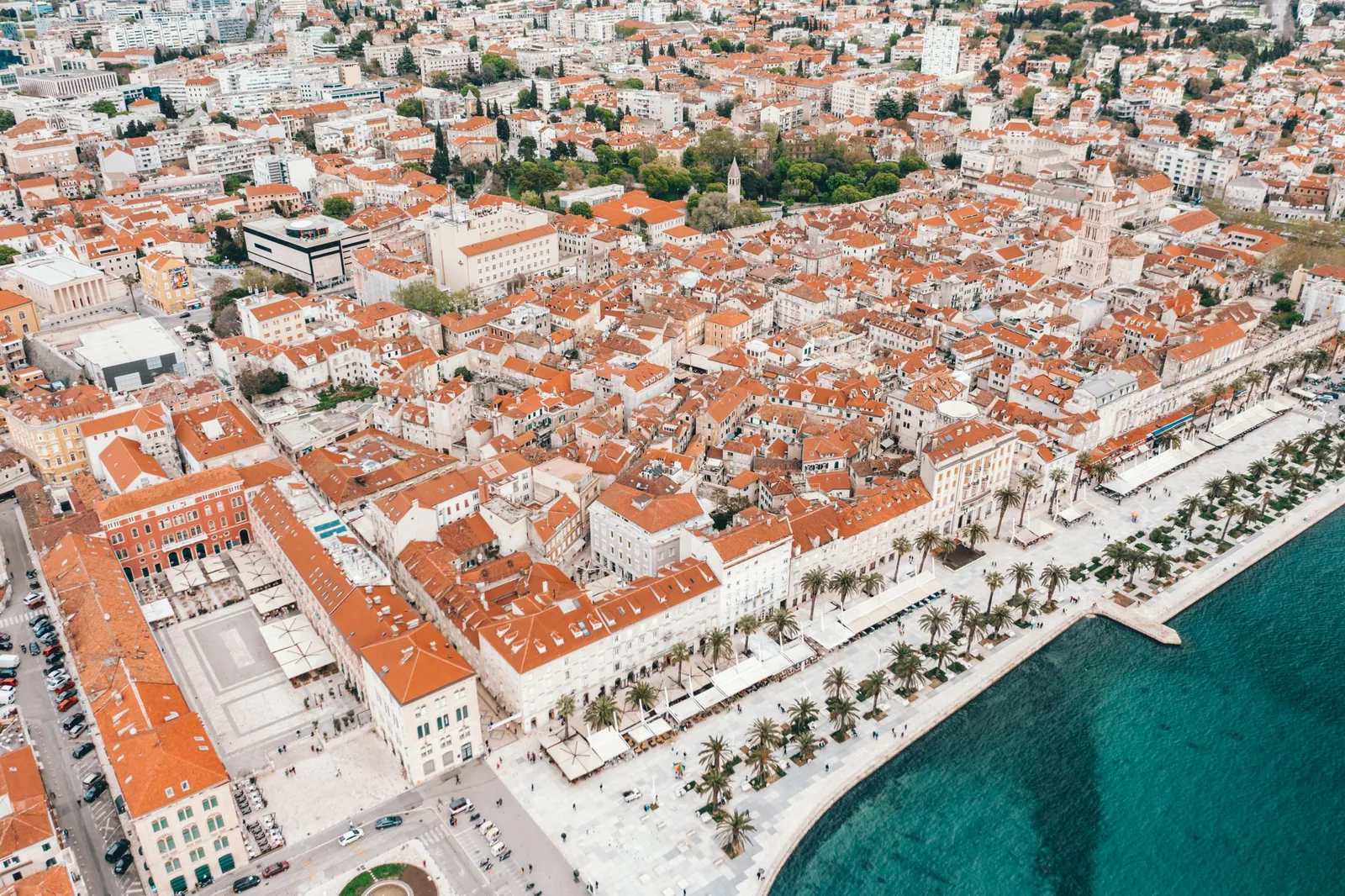
Split blends the remains of Diocletian's Palace with a busy harbor, limestone lanes, and a long waterfront promenade. Use the old town as your base, then set aside time for a hilltop view, a swim, or a ferry trip to a nearby island.
Late spring and early autumn offer warm days, open attractions, and a more comfortable pace than the busiest summer weeks. July and August are best for classic beach weather, but expect more visitors, higher accommodation demand, and strong midday heat.
Walk through Diocletian's Palace, browse the market, and follow the Riva promenade toward Marjan Hill for views over the coast. A boat or ferry excursion can add beaches and island scenery, while the nearby towns of Trogir and Omis make rewarding day trips.
Stay inside or just outside the historic centre for atmospheric streets, restaurants, and easy access to the harbor. Bačvice suits travelers who want a nearby beach, while areas west of the centre can feel quieter and closer to Marjan. Book ahead for the summer high season.
Split can be manageable on a careful budget outside the peak summer period. Choose bakeries, casual konobas, and market food for lower-cost meals, and compare accommodation prices before booking. Island excursions, taxis, and waterfront dining can raise the daily total quickly.
The old town and waterfront are easiest to explore on foot, although the polished stone streets can be uneven. Local buses connect the centre with residential districts and nearby destinations, and ferries serve the islands from the port. A car is useful for a wider road trip but can be inconvenient in the historic core.
Split is generally comfortable for visitors, but crowded streets, ferries, and nightlife areas call for normal precautions against petty theft. Wear suitable shoes on smooth stone paving, take care around hot summer sun, and use licensed transport or reputable tour operators.