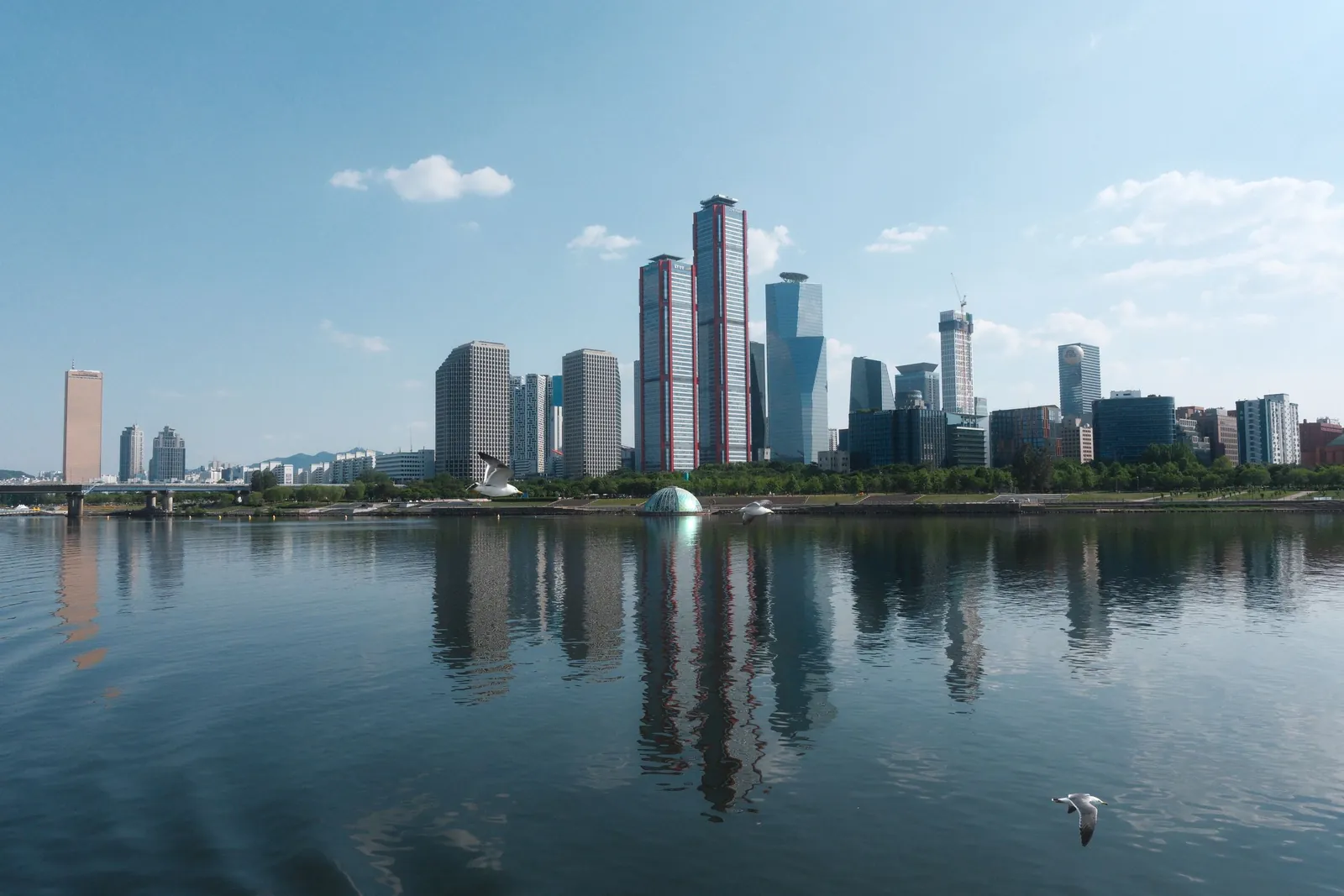
Seoul is a fast-moving capital where Joseon-era palaces, forested hills, design districts, and late-night markets share the same city streets. Plan time for both major sights and neighborhood wandering, from traditional lanes around Bukchon to the cafés and galleries of newer districts.
Spring and autumn are the most comfortable seasons for walking, with mild weather and attractive foliage or blossoms. Summer is hot, humid, and sometimes rainy, while winter is cold but can be rewarding for clear views, festive lights, and quieter attractions.
Visit Gyeongbokgung Palace, explore the lanes of Bukchon Hanok Village, and browse Insadong's crafts and tea houses. Add a walk along the Han River, a hike on a nearby Seoul trail, and an evening in neighborhoods such as Hongdae, Ikseon-dong, or Myeong-dong for food and shopping.
Jongno and Insadong are convenient for palaces, historic streets, and central sightseeing. Myeong-dong suits first-time visitors who want shopping and easy transport, while Hongdae is a lively choice for cafés, music, and nightlife. Gangnam offers modern hotels, restaurants, and a different side of the city.
Seoul can suit a range of travel styles. Affordable local meals, markets, convenience stores, and public transport help keep costs manageable, while boutique hotels, tasting menus, and premium shopping can raise the daily total quickly. Reserve more of your budget for accommodation in popular central districts.
Seoul's subway and buses cover the city extensively and are usually the easiest way to travel between neighborhoods. Use a rechargeable transit card, allow extra time for long station walks, and consider taxis for late evenings or routes that require several transfers. Walking is especially enjoyable in the historic centre and along the river.
Seoul is generally considered a comfortable destination for visitors, though ordinary precautions still matter. Keep belongings secure in crowded shopping streets and transit hubs, take care around traffic and bicycles, and follow local guidance during periods of heavy rain, extreme weather, or air-quality concerns.