

Sapporo
Sapporo is in Japan (Hokkaido). The nearest airport is OKD (Okadama Airport), 6 km from the city center.
Overview
Sapporo is a spacious, easy-to-navigate city with broad boulevards, leafy parks, and a strong food culture. Use it as a base for Hokkaido seafood, ramen, beer, and nearby mountain scenery, with a distinct seasonal rhythm from snowy winters to mild summers.
Best time to visit
Winter is ideal for snow activities and the city's famous winter festival period, though conditions are cold and accommodation can fill quickly. Late spring through early autumn is more comfortable for parks, day trips, and outdoor dining. Summer is generally cooler than much of Japan, while autumn brings crisp air and colorful foliage.
Best time to visit score by month, out of 100
| Month | Jan | Feb | Mar | Apr | May | Jun | Jul | Aug | Sep | Oct | Nov | Dec |
|---|---|---|---|---|---|---|---|---|---|---|---|---|
| Score | 82 | 88 | 73 | 68 | 76 | 78 | 84 | 82 | 79 | 77 | 65 | 80 |
Our rating of how good each month is for a visit, not a weather forecast.
Things to do
Walk through Odori Park and visit the historic Clock Tower, then explore the Susukino nightlife and dining district. Try local miso ramen, soup curry, grilled seafood, and Hokkaido dairy products. For views and fresh air, ride up Mount Moiwa or take a short trip to nearby hot springs and hiking areas.
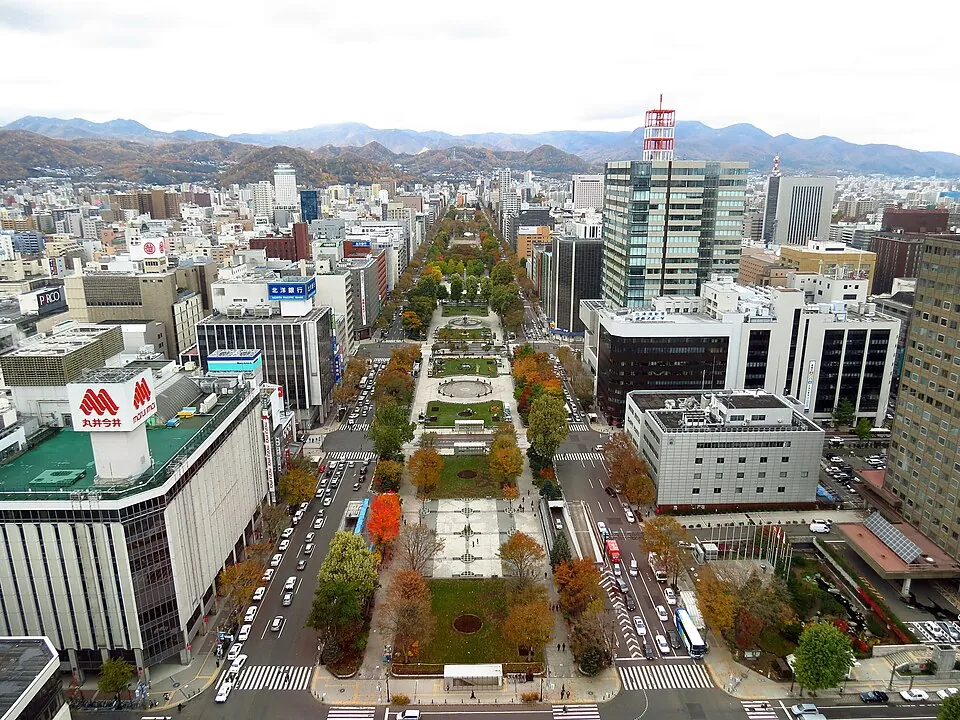 Odori Park
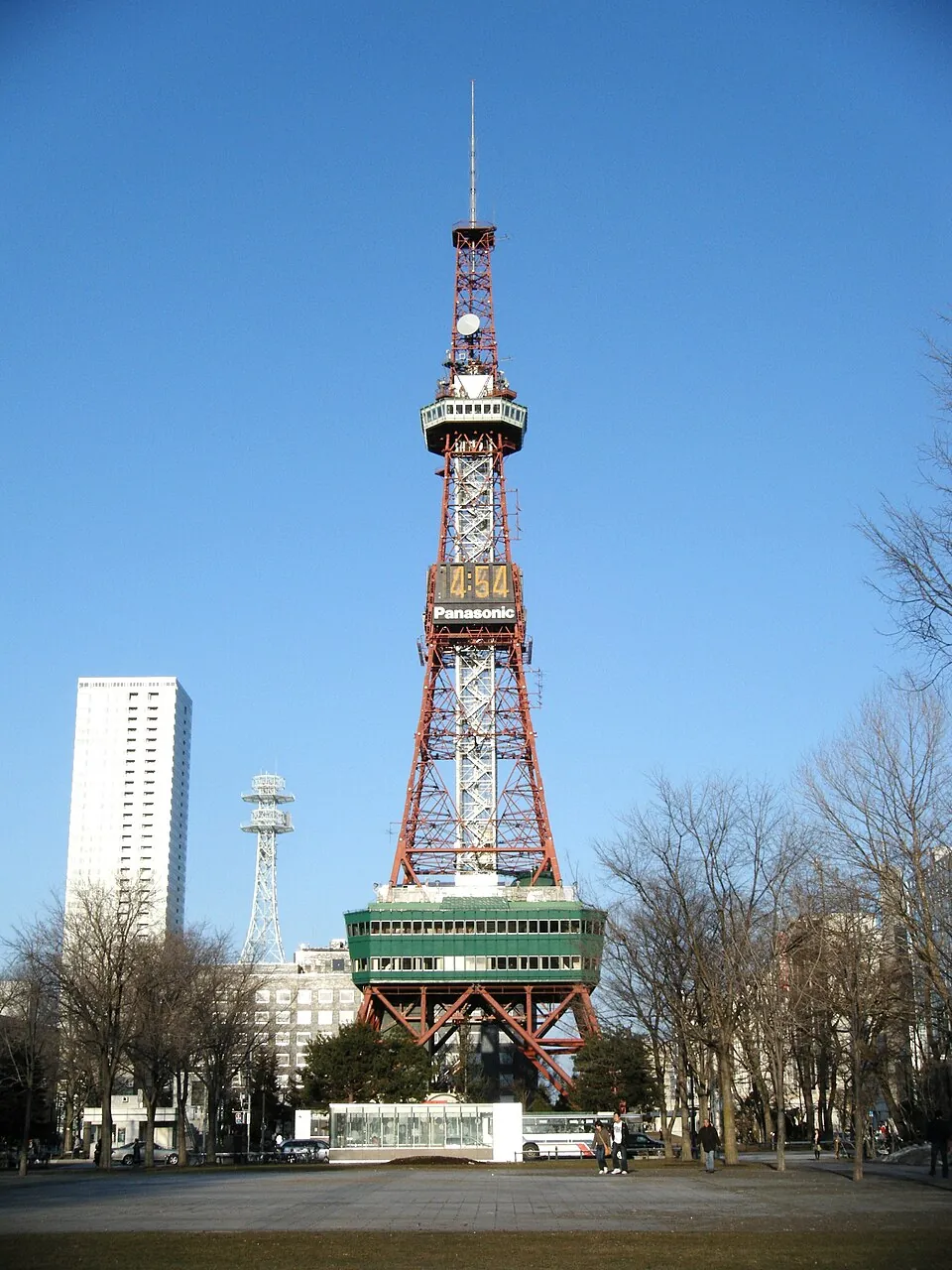 Sapporo TV Tower
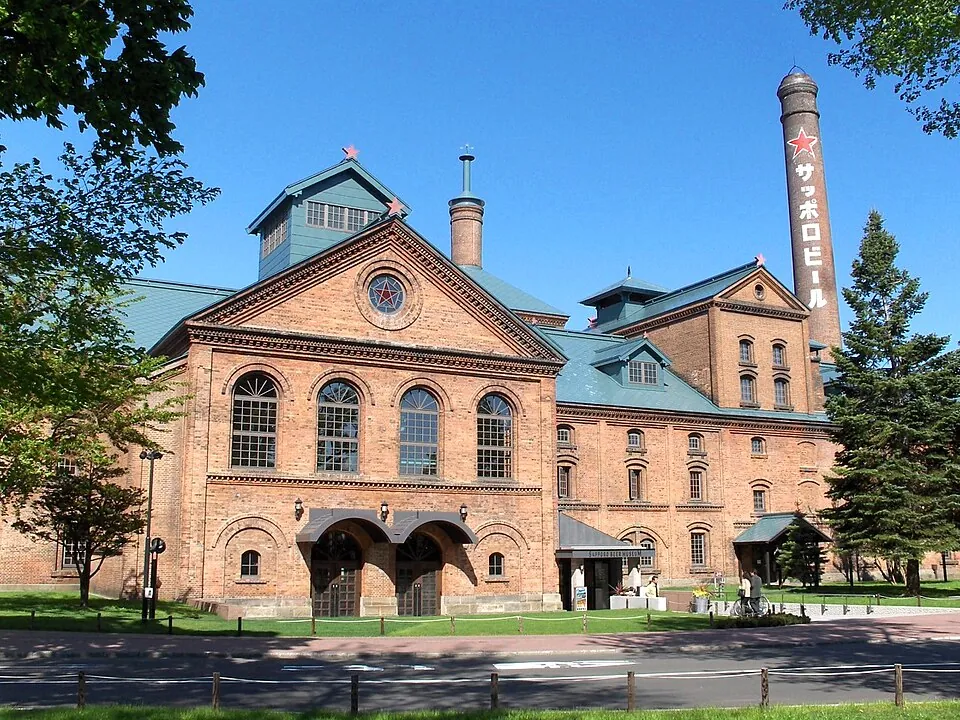 Sapporo Beer Museum
More places to see
- Sapporo Clock TowerLandmarks
- Hokkaido University Botanical GardensCulture
- Hokkaido Museum of Modern ArtCulture
- Moerenuma ParkCulture
- Hokkaido University MuseumCulture
- Miyanomori International Museum of Art, SapporoCulture
- Guardian Angels Cathedral, SapporoCulture
Tours & Activities
Where to stay
Stay around Sapporo Station for convenient rail connections, shopping, and straightforward access to day trips. Odori is central and close to parks, museums, and major streets, while Susukino suits travelers who want restaurants and evening entertainment nearby. Check winter heating, snow access, and walking distances when choosing accommodation.
Budget guide
Sapporo offers a broad range of accommodation and dining, from inexpensive noodle shops and convenience stores to seafood restaurants and polished hotels. Winter festival dates and ski-season weekends can raise prices. Set aside extra room for regional rail, airport transfers, and excursions beyond the city.
Getting around
The subway, streetcars, and buses make central Sapporo simple to explore, and the compact core is walkable in good weather. Underground walkways can be useful during winter. Trains connect the city with the airport and wider Hokkaido, while a rental car is practical for some rural day trips but less convenient in snowy central streets.
Safety
Sapporo is generally comfortable for visitors, but ordinary precautions still apply in busy nightlife areas and around transport hubs. Snow and ice create the main seasonal hazards, so wear shoes with good traction and allow extra time for walking. Follow local guidance during heavy snow, storms, and mountain outings.