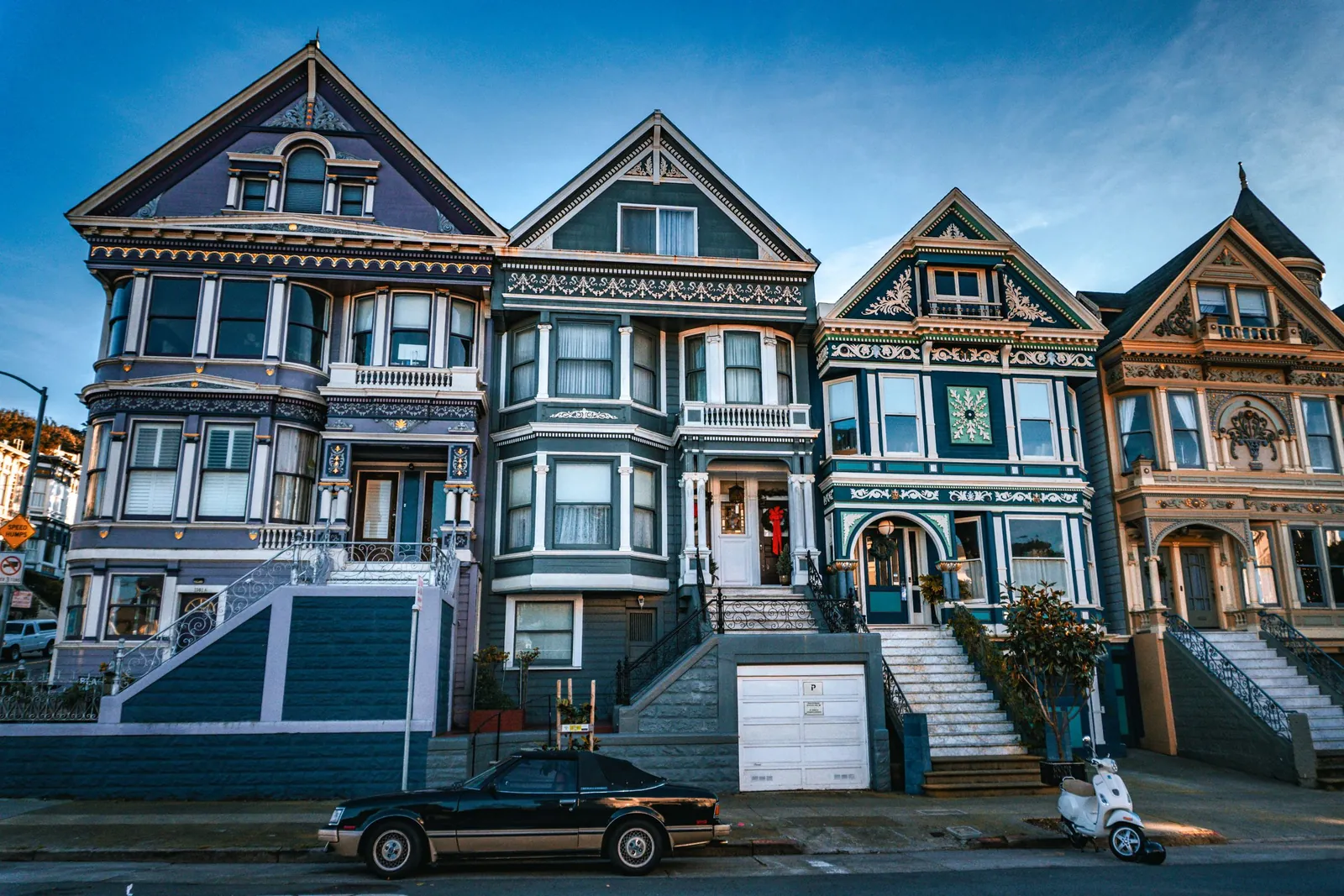
Hills, fog, and bay views shape San Francisco, a compact city with distinct neighborhoods and an inventive food, arts, and cultural scene. Build in time for waterfront walks, lively local streets, and viewpoints that reward the climb.
Late spring through early fall usually brings the clearest conditions, although cool, foggy days are part of the city’s character year-round. September and October often offer a particularly pleasant balance of mild weather and lighter crowds. Pack layers, including a warm outer layer for evenings near the bay.
Walk across the Golden Gate Bridge, explore the waterfront from the Ferry Building to Fisherman’s Wharf, and visit the city’s major museums and gardens. Spend time in neighborhoods such as Chinatown, North Beach, the Mission, and the Haight, each with its own food, architecture, and atmosphere. Reserve ahead for Alcatraz Island and check current access details for popular attractions.
Union Square is convenient for shopping, hotels, and transport, while Nob Hill and Russian Hill offer central locations with a more residential feel. The Embarcadero and Fisherman’s Wharf suit visitors focused on the waterfront, though they can feel busy. The Mission, SoMa, and the Marina provide different dining and nightlife options, so choose based on the experiences you want nearby.
San Francisco is one of the more expensive US city breaks, especially for accommodation. A careful traveler can plan around affordable restaurants, markets, public transport, and free viewpoints, while a mid-range trip typically allows for comfortable lodging and a mix of paid attractions. Prices vary by season and event calendar, so compare neighborhoods and book popular stays early.
Muni buses, light rail, historic streetcars, and cable cars connect many neighborhoods, and walking is rewarding when you are prepared for steep hills. BART is useful for selected cross-city trips and airport connections. Rideshares and taxis help when carrying luggage or traveling late, while a car is often more convenient outside the city than within it.
Use ordinary big-city awareness in crowded visitor areas and on public transport, and keep phones and valuables secure. Some neighborhoods can feel very different from one block to the next, particularly after dark. Check local conditions, use well-lit routes, and avoid leaving anything visible in a parked vehicle. The safety estimate is a general planning guide, not a guarantee.