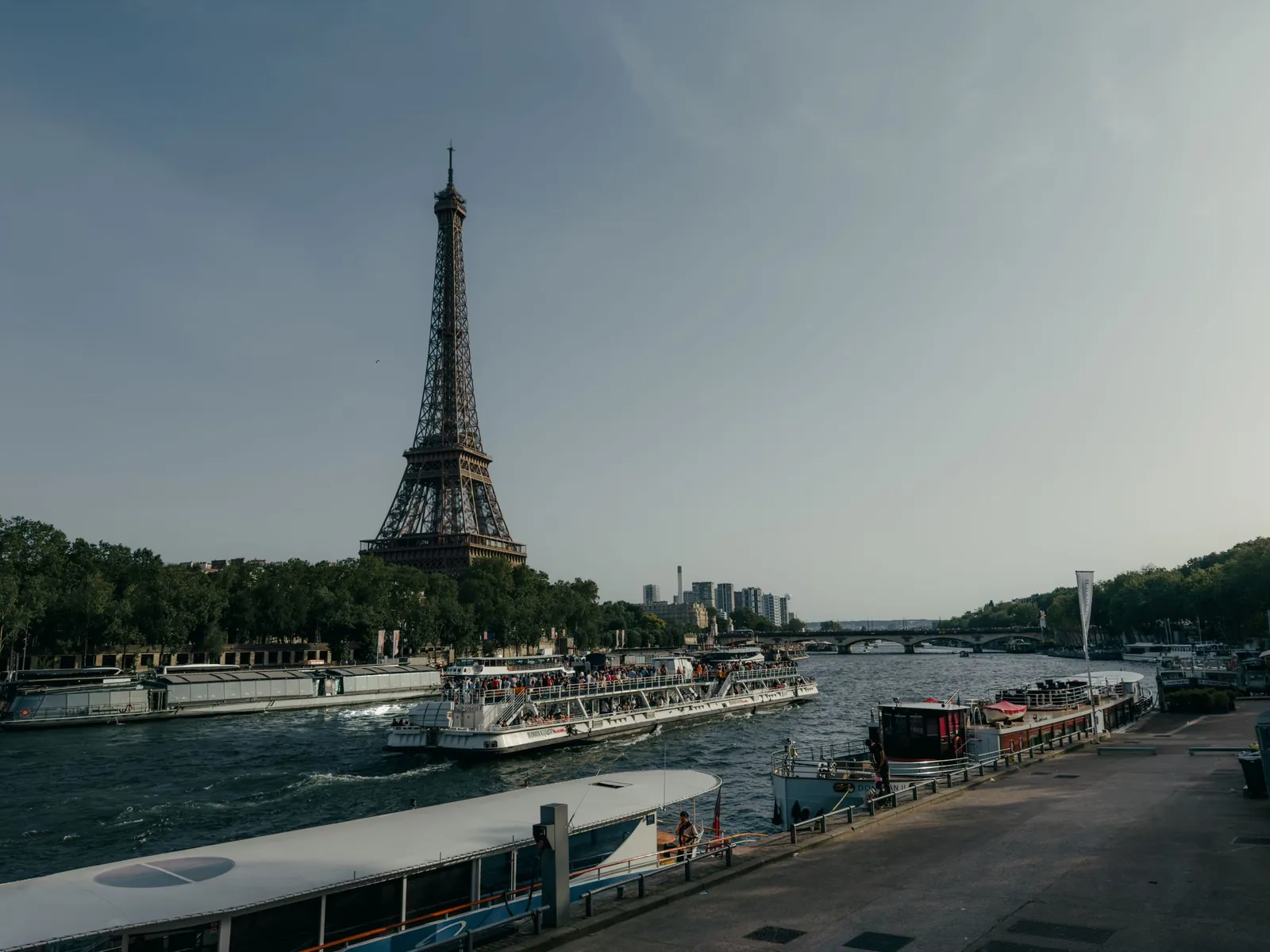
Paris combines grand boulevards, intimate lanes, celebrated museums, and lively neighborhood cafés. Spend time along the Seine, explore one arrondissement at a time, and leave room for unplanned stops at a bakery or market.
Late spring and early autumn usually offer a comfortable balance of mild weather, longer daylight, and manageable crowds. Summer brings outdoor energy but can be busy and warm, while winter is quieter and rewarding for museum visits, though days are shorter.
See masterpieces at the Louvre or Musée d'Orsay, then visit the Eiffel Tower and walk through the Tuileries Garden. Explore Montmartre for its village-like streets, browse the Marais, and follow the Seine between historic landmarks. Reserve popular attractions ahead when possible.
Choose a base by atmosphere and transport links. Le Marais suits visitors who want galleries, cafés, and central walks, Saint-Germain-des-Prés offers classic Left Bank character, and the Latin Quarter is convenient for lively evenings. Montmartre has a distinct local feel, though its hills may be less convenient with heavy luggage.
A modest trip can work with a simple room, bakery breakfasts, casual restaurants, and public transport. A mid-range visit usually allows a comfortable hotel, a mix of neighborhood dining and reservations, and several paid attractions. Prices vary widely by season and neighborhood, so book major stays early.
The Métro is the quickest way across the city, with buses useful for scenic routes and surface connections. Walking works well within central neighborhoods, and cycling is practical on many major routes. From the airports, compare official public transport and licensed taxi options before traveling.
Paris is generally manageable for travelers who use normal big-city precautions. Keep valuables secure in crowded transport and around major sights, watch for common tourist scams, and use official taxis or transport channels. At night, stay aware of your surroundings and choose well-lit routes.