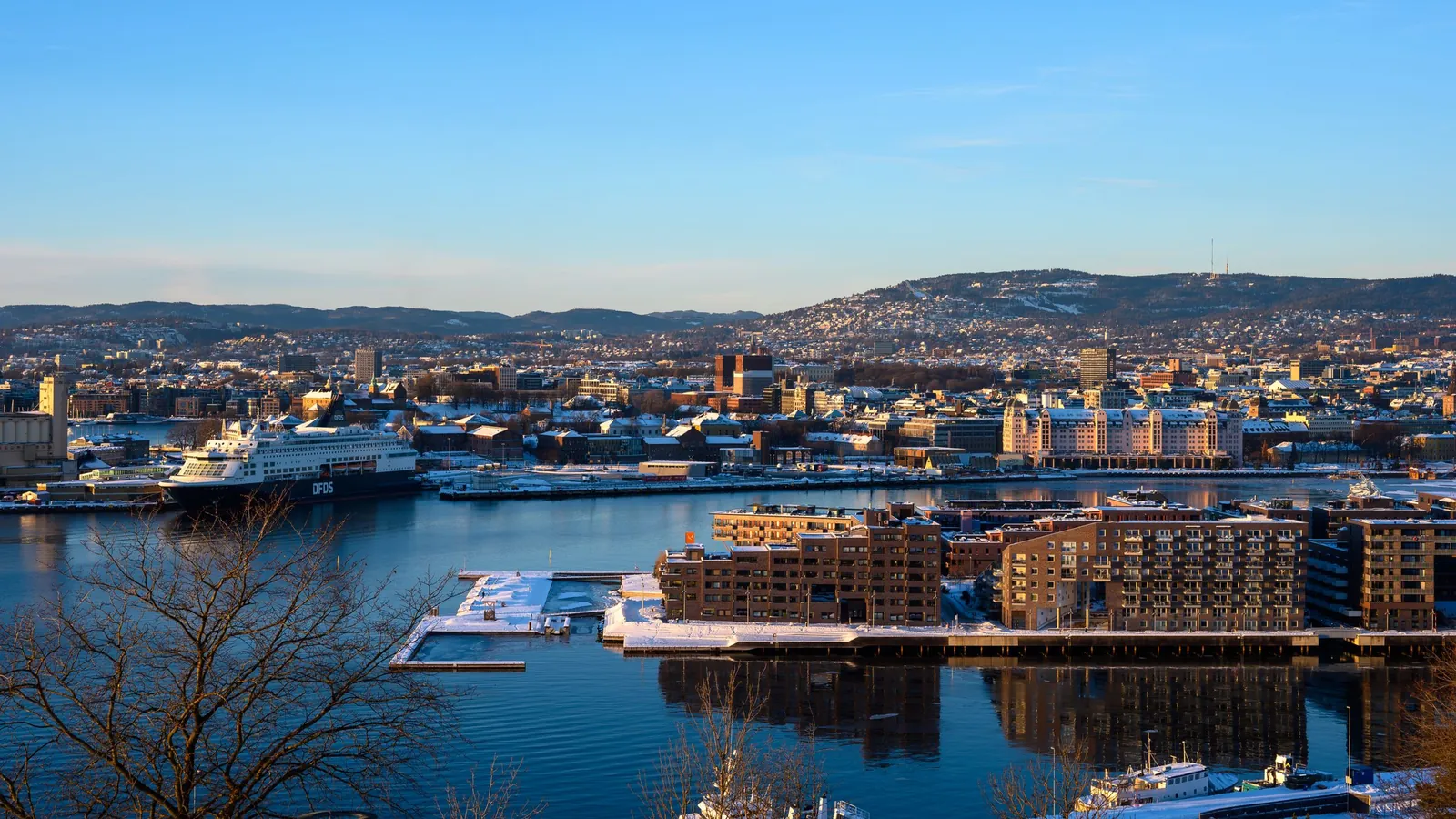
Oslo combines a lively waterfront with easy access to forests, islands, and fjord scenery. Spend time around the Opera House, explore museums and design-led neighborhoods, then take public transport into Nordmarka for a quieter side of the city.
Late spring through early autumn offers the mildest weather, long daylight, and the best conditions for walking, cycling, and island trips. Winter is colder and darker, but it can suit travelers interested in skiing, seasonal markets, and a distinctly Nordic atmosphere.
Walk along the harbor from Bjørvika toward Aker Brygge, visit the Munch Museum and the National Museum, and see the sculpture grounds at Vigeland Park. For a change of pace, ride the metro toward Nordmarka or take a short ferry trip to one of the Oslofjord islands.
Choose Sentrum or Bjørvika for central access to museums, restaurants, and the waterfront. Grünerløkka has cafés, independent shops, and evening energy, while Majorstuen is convenient for Vigeland Park and transport toward the forests.
Oslo is one of Europe's more expensive capitals, especially for accommodation, restaurant meals, and alcohol. Save by using public transport, choosing bakeries or casual cafés, visiting outdoor attractions, and comparing lodging outside the most central districts. These figures are broad planning estimates per person per day.
Oslo is straightforward to explore by walking, tram, metro, bus, and ferry. The central areas are compact, and the same public transport network generally connects the city with nearby neighborhoods and forest trailheads. A travel card or app ticket is useful for planning several journeys.
Oslo is generally comfortable for visitors, though normal urban precautions still apply. Keep belongings secure in busy transport areas and nightlife districts, watch your footing on winter ice, and prepare appropriately for changing weather when heading into the forest or onto the water.