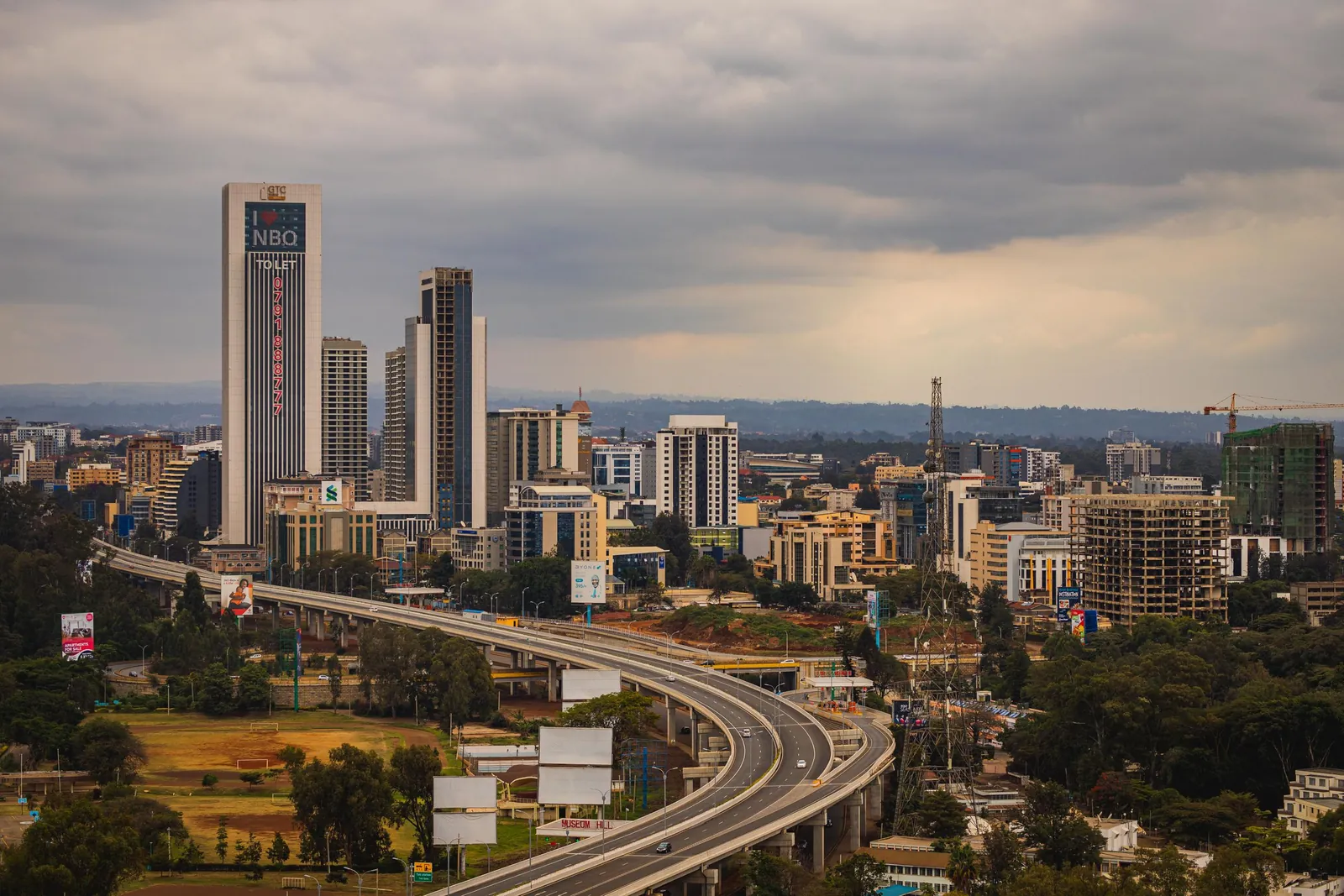
Nairobi is Kenya's energetic centre for art, food, business, and safari travel. Explore contemporary neighbourhoods, historic sites, and green spaces, then reach Nairobi National Park for a striking city-and-wildlife experience.
The drier periods are generally the easiest for wildlife viewing and outdoor plans, especially from June to October and around January and February. Rain can make some activities less convenient, but the city remains rewarding year-round and greener between showers.
Visit Nairobi National Park, the Giraffe Centre, and the Karen Blixen Museum, and allow time for the city's cafés, galleries, and craft markets. The Nairobi National Museum offers useful context on Kenya's history, culture, and natural heritage.
Westlands and Kilimani suit travelers looking for restaurants, cafés, and modern accommodation. Karen offers a quieter, leafy setting near several attractions, while the central business district can be practical for short work-focused visits.
Local eateries and casual cafés can keep daily costs manageable, while private rides, park fees, and guided experiences raise the total. A mid-range plan typically combines comfortable accommodation, mixed dining, and a few paid attractions.
Ride-hailing services are often the simplest option for visitors, especially when moving between spread-out attractions. Matatus and buses are widely used but can be busy and unfamiliar, and traffic can be heavy during peak hours, so build in extra time.
Take normal big-city precautions, particularly around crowded transport areas and after dark. Keep valuables discreet, use trusted transport, confirm plans with accommodation staff, and follow current local advice for neighborhoods and excursions.