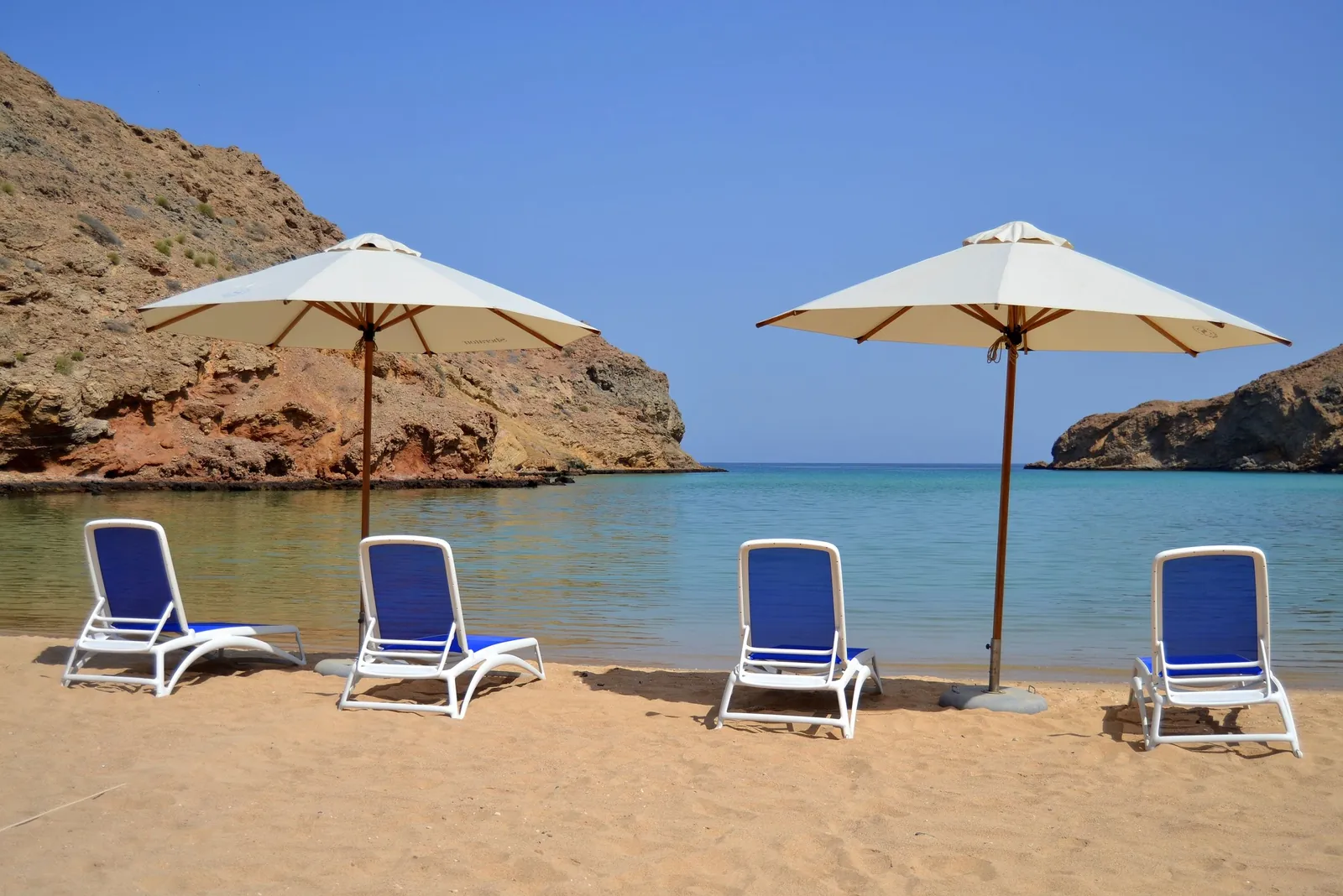
Muscat unfolds along a wide coastline beneath rugged Hajar Mountain foothills. Visit the Sultan Qaboos Grand Mosque, browse Mutrah Souq, and take in the harbor near Al Alam Palace, then leave the city for beaches, wadis, and mountain villages.
The cooler months from November through March are usually the most comfortable for exploring outdoors. October and April can work well for a quieter visit, while late spring and summer bring intense heat and humidity, especially during the day.
Walk the Mutrah Corniche, explore Mutrah Souq, and visit the Sultan Qaboos Grand Mosque when open to visitors. Add a dhow cruise, a beach afternoon, or a day trip toward Wadi Shab, Nakhal, or the mountains if you have extra time.
Mutrah suits travelers who want historic atmosphere, harbor walks, and easy access to the souq. Qurum has beaches, restaurants, and a more modern feel, while Al Khuwair and Al Mouj offer convenient hotels, dining, and broader transport access.
Muscat can suit several travel styles, from simple guesthouses and casual restaurants to polished beach resorts and private excursions. Public taxis, local eateries, and shared tours help contain costs, while accommodation and organized day trips usually make the biggest difference to the daily total.
Muscat is spread along the coast, so taxis and ride-hailing are useful for moving between neighborhoods. A rental car is the most flexible option for forts, wadis, beaches, and mountain day trips, though visitors should plan routes carefully and avoid driving when tired.
Muscat is generally considered a calm destination for visitors. Use normal precautions around personal belongings, follow local guidance at beaches and wadis, dress respectfully at religious sites, and take extra care with heat, flash flooding, and remote roads.