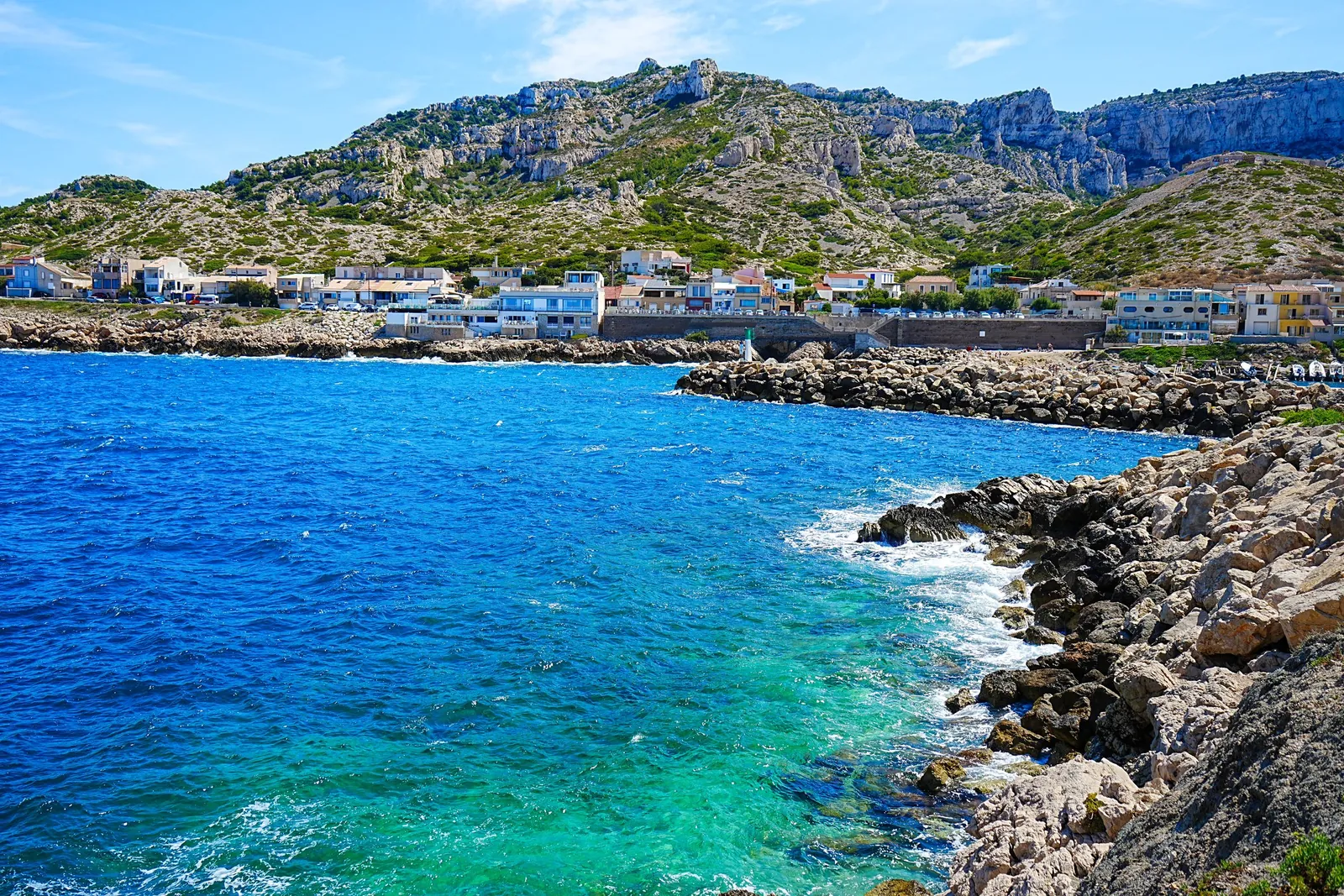
Marseille blends a lively old port with North African and Provençal influences, modern museums, and a dramatic Mediterranean shoreline. Start around the Vieux-Port, then explore Le Panier, Notre-Dame de la Garde, and the rocky coves of the Calanques.
Late spring and early autumn offer warm days, clearer walking conditions, and a more manageable pace than the busiest summer weeks. July and August are lively and hot, while winter is cooler but can be bright and breezy.
Walk the Vieux-Port, browse the fish market, and climb to Notre-Dame de la Garde for wide city and sea views. Visit MuCEM and Fort Saint-Jean, wander Le Panier, and set aside time for a boat trip or hike in the Calanques when conditions allow.
The Vieux-Port is convenient for first-time visits, restaurants, ferries, and evening walks. Le Panier suits travelers who want historic lanes and a central location, while areas near Castellane or Prado offer useful transport links and a more local feel.
Marseille can suit a range of budgets, especially if you choose bakeries, markets, and casual neighborhood restaurants. Accommodation prices often rise in summer, so booking ahead and staying near a metro or tram line can help keep costs under control.
Metro, trams, and buses connect the main districts, and the central waterfront is pleasant to explore on foot. Use public transport or an organized boat trip for the Calanques, and allow extra time for hills, summer traffic, and busy ferry services.
Marseille is a rewarding city, but travelers should stay attentive to belongings in crowded transport areas, markets, and busy nightlife streets. Keep valuables secure, use well-lit routes after dark, and follow local guidance around the coast and Calanques, where wind, heat, and rough terrain can change conditions quickly.