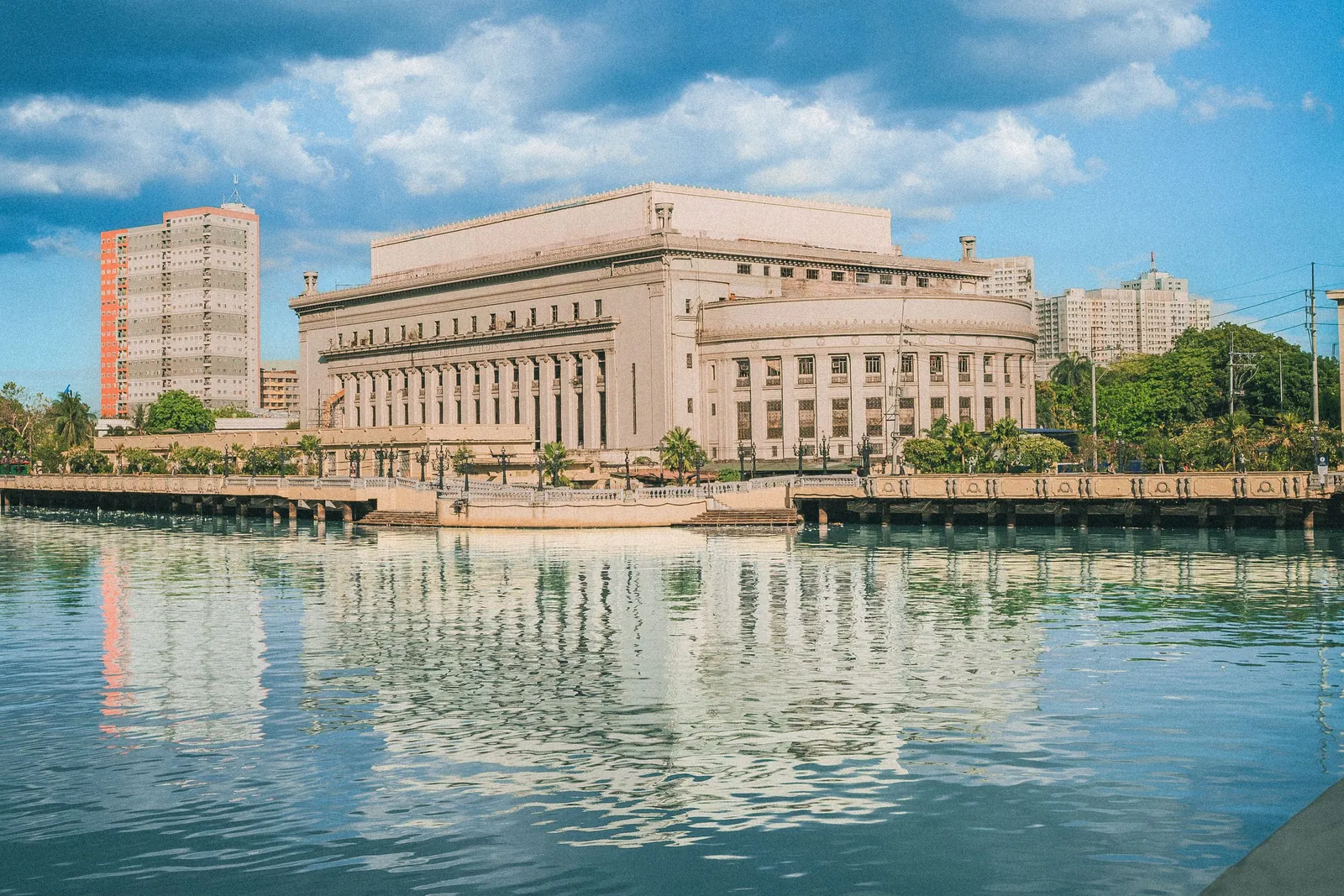
Manila is a fast-moving capital with layers of Spanish colonial history, Filipino creativity, and some of Southeast Asia's most rewarding food experiences. Explore Intramuros and nearby museums, then balance the heritage sights with neighborhood cafés, galleries, markets, and a sunset walk by Manila Bay. Metro Manila is broad and varied, so choose a base close to the areas you most want to visit.
The most comfortable period is generally the drier season from December to April, when sightseeing is easier and evenings are often pleasant. Rain can be heavy from June through October, with occasional travel disruption, but showers may be brief and the city remains active year-round. November and May can work well for travelers seeking a quieter shoulder season.
Walk the walls and lanes of Intramuros, visit Fort Santiago, and make time for the National Museum complex. Try Filipino favorites such as adobo, sinigang, grilled seafood, and halo-halo, from casual eateries to modern restaurants. For a broader city view, explore Makati's galleries and dining scene, visit Quezon City's cultural spaces, or watch the sunset along Roxas Boulevard.
Makati is a convenient choice for restaurants, shopping, nightlife, and modern hotels. Bonifacio Global City offers a polished, walkable setting with contemporary dining and public art. Malate and Ermita are useful for access to Manila Bay, museums, and historic sights, while Intramuros suits travelers who want to stay close to the old city atmosphere.
Manila can suit a range of travel styles. Local food courts, neighborhood restaurants, and public transport keep costs manageable, while central hotels, air-conditioned taxis, and destination dining raise the daily total. Keep a little flexibility for traffic-related ride changes and consider booking accommodation with easy access to your planned activities.
Use app-based taxis or metered taxis for comfort, especially across Metro Manila's busy and sprawling roads. The LRT and MRT can be useful for selected routes, but stations may be crowded and connections do not cover every tourist area. Jeepneys and buses offer a local experience, while walking works best within compact districts rather than between neighborhoods.
Manila is generally manageable for prepared travelers, though petty theft can occur in crowded transport hubs, markets, and busy streets. Use reputable transport, keep valuables out of sight, and take extra care after dark in unfamiliar areas. Heavy rain and flooding can affect movement, so check local conditions and allow additional time for journeys.