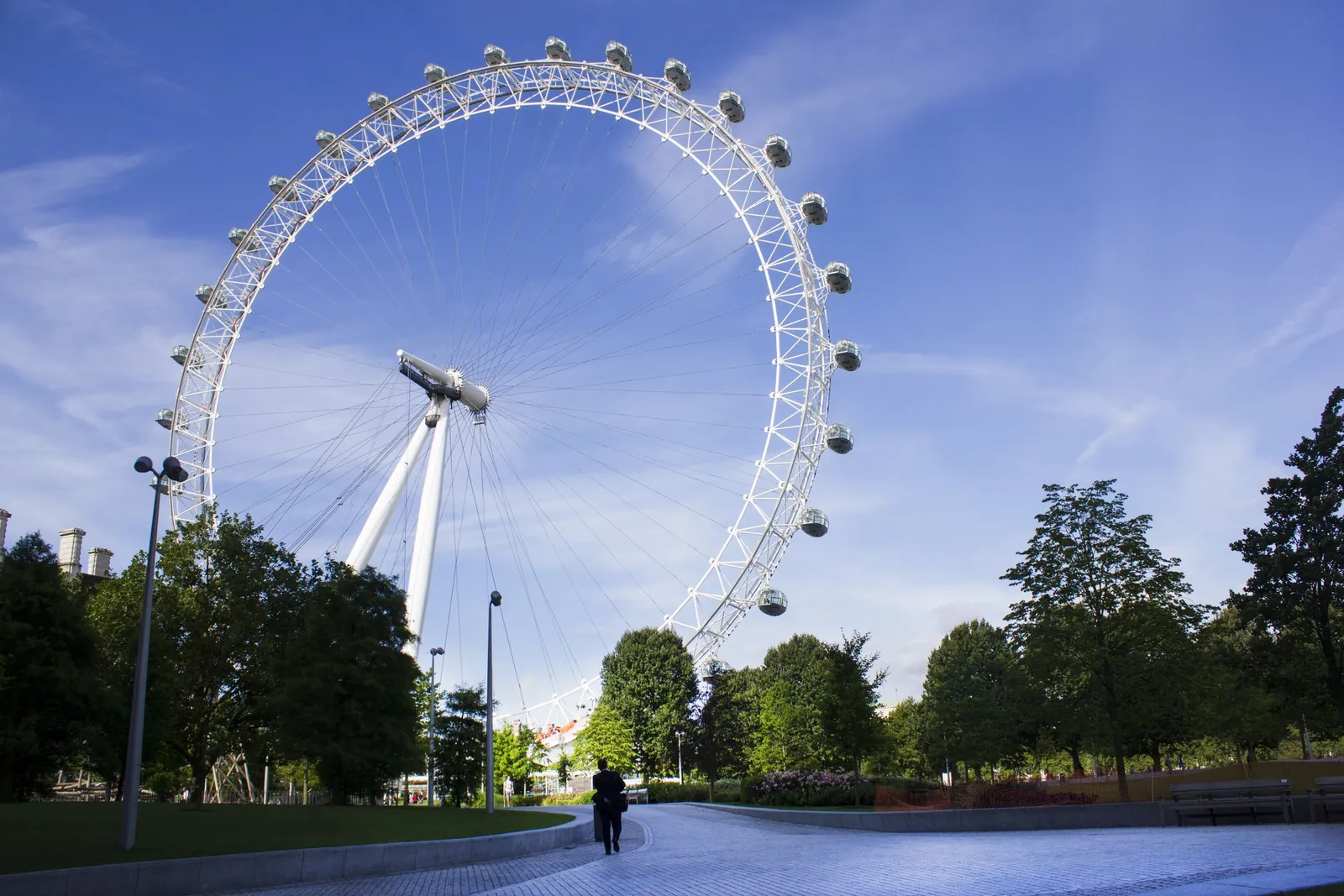
London blends royal landmarks, historic neighborhoods, world-class museums, and a lively food and arts scene across a vast city. Plan by area, then use the Underground, buses, and walks to connect major sights.
Late spring through early autumn usually offers the most comfortable conditions for walking, parks, and outdoor attractions. July and August bring long days but can be busy, while winter has shorter daylight and cooler, wetter weather, with festive events adding appeal in December.
See the Houses of Parliament and Big Ben from Westminster, explore the Tower of London, and visit the British Museum or National Gallery. Set aside time for a West End show, a walk along the South Bank, or green spaces such as Hyde Park and Regent's Park.
Central London is convenient for first-time visitors, with areas such as Covent Garden, South Bank, Westminster, and Bloomsbury close to major attractions. Shoreditch, Notting Hill, and Greenwich offer a different atmosphere, though travel times to other parts of the city can be longer.
London can suit different budgets, but accommodation and dining in central areas are often expensive. Save with free museums, markets, parks, grocery meals, and advance bookings for popular attractions. A daily budget of about GBP 90-300 per person is a useful planning range, excluding international flights.
The Underground is usually the quickest way around central London, while buses are useful for scenic cross-town journeys. Contactless payment or an Oyster card works across much of the network. Walking is rewarding within neighborhoods, and trains help reach areas beyond the centre.
London is generally manageable for visitors, though crowded transport and attractions can attract pickpocketing. Keep valuables secure, stay aware late at night, and use licensed taxis or reputable ride-hailing services. Check current local advice for demonstrations, transport disruptions, and neighborhood-specific concerns.