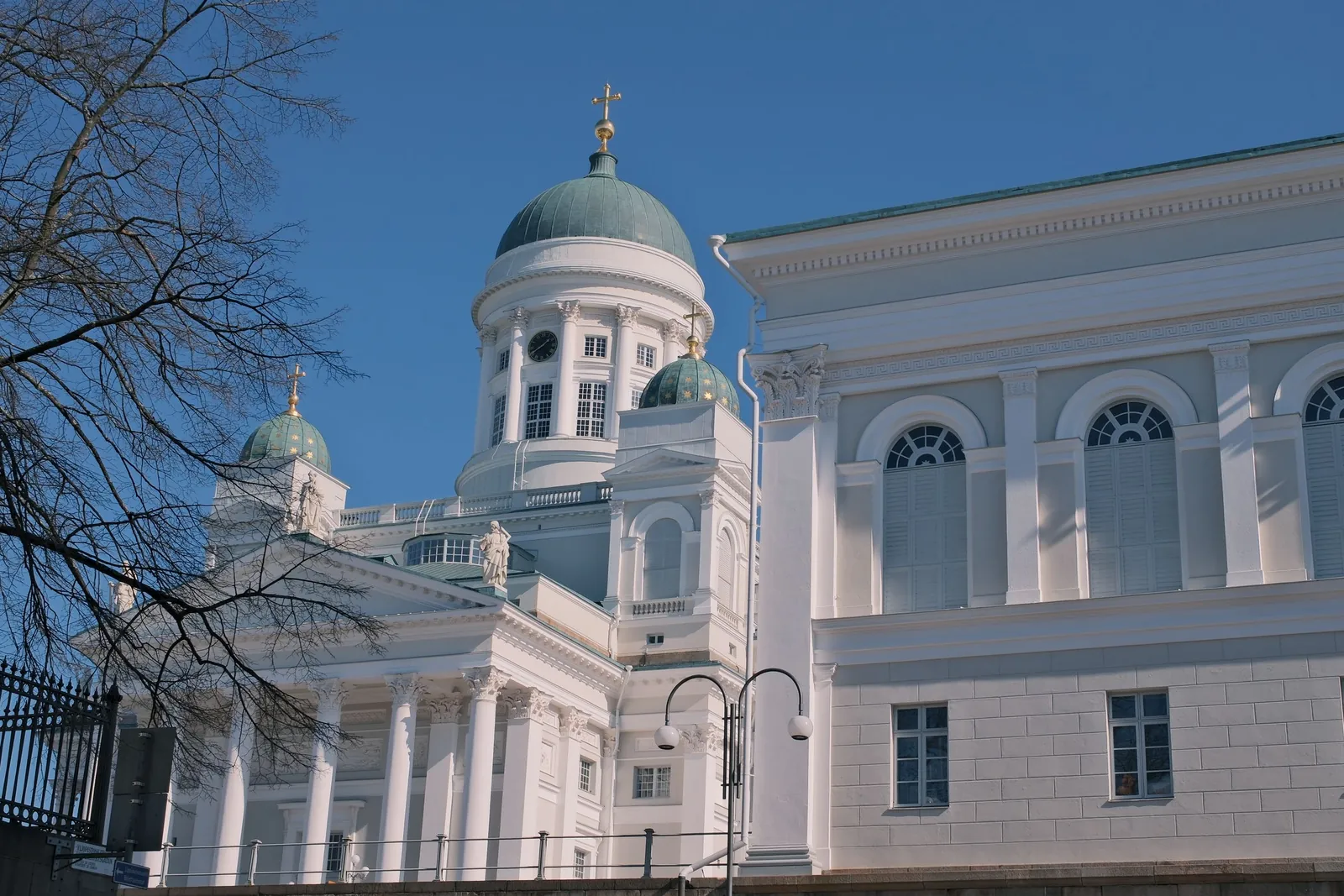
Helsinki combines neoclassical squares, modernist architecture, Finnish design, and a lively waterfront. Explore the compact centre, then take a short ferry ride to Suomenlinna or one of the nearby islands for a change of pace.
June through August brings the longest days, outdoor cafés, green parks, and the easiest island trips. May and September offer a quieter atmosphere with milder conditions, while winter suits travelers interested in saunas, museums, seasonal markets, and a distinctly Nordic city mood.
Visit Helsinki Cathedral and Senate Square, browse the Design District, and see contemporary works at Amos Rex or Kiasma. Set aside time for Suomenlinna, the Old Market Hall, a public sauna, and a walk along the shoreline.
The city centre is convenient for first visits, with easy access to museums, ferries, restaurants, and public transport. Kallio has a more local, lively feel and good nightlife, while Kamppi and Punavuori are well placed for shopping, design, and cafés.
Helsinki is relatively expensive, but travelers can keep costs manageable with public transport, grocery breakfasts, casual lunch spots, and free waterfront walks. A low budget generally covers simple accommodation and self-catered meals, while a mid-range trip allows comfortable lodging and several paid attractions.
Helsinki is easy to explore on foot in the central districts, with an efficient network of trams, buses, commuter trains, and metro services. Public transport also connects the airport and ferry terminals, and city bikes are useful in warmer months. Ferries are essential for reaching Suomenlinna and nearby islands.
Helsinki is generally considered a safe destination for visitors. Take normal precautions in busy transport hubs and nightlife areas, keep belongings secure, and take care on icy pavements in winter. Weather can change quickly, so dress in layers and check local conditions before heading outdoors.