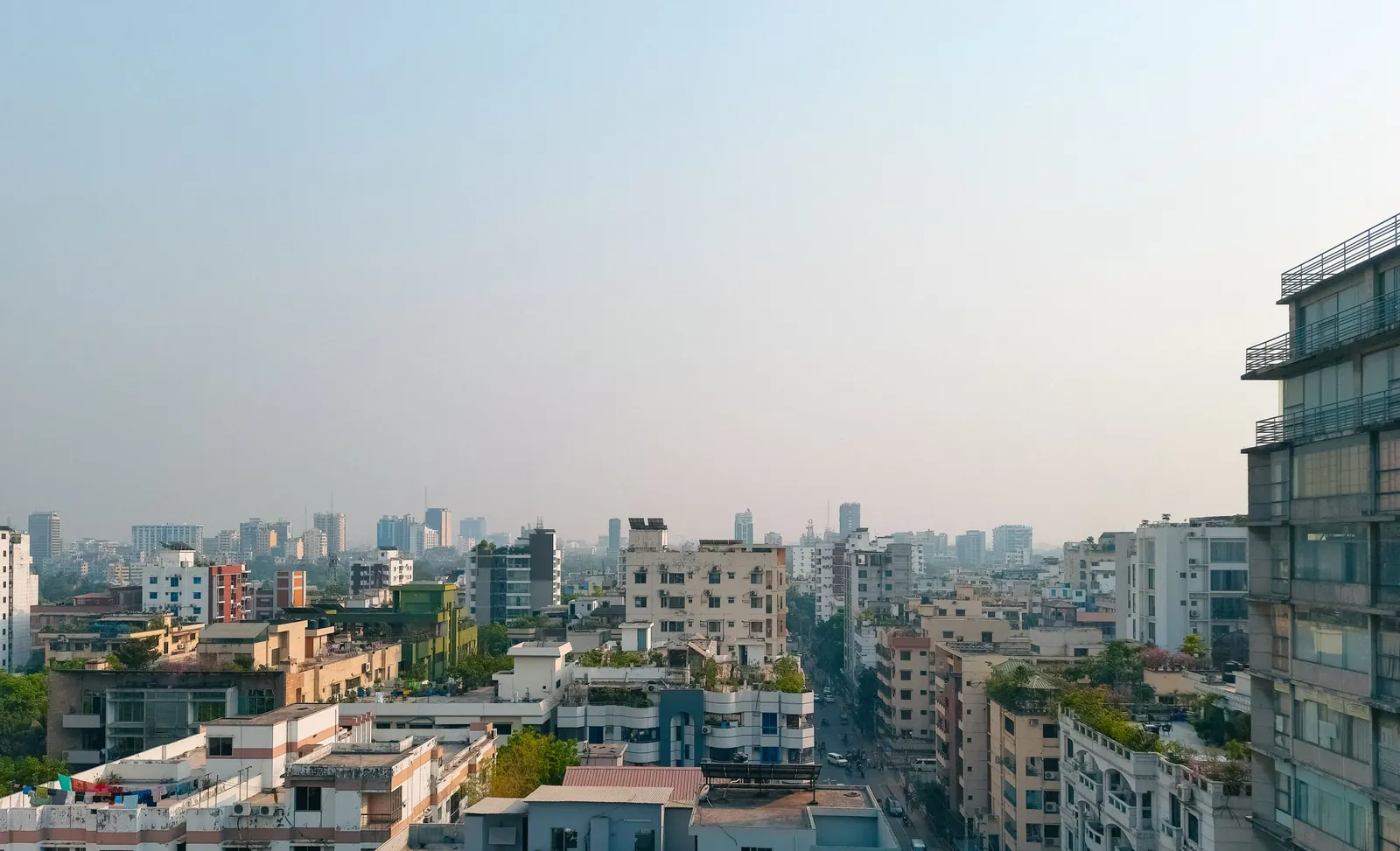
Dhaka is a dense, colorful capital shaped by Bengali culture, busy waterways, historic mosques, and a lively street scene. Explore Old Dhaka for heritage buildings and local food, then balance the intensity with a slower walk through parks, galleries, or the university area.
The cooler, drier months from November to February are generally the most comfortable for sightseeing. March and October can work as shoulder-season options, while the monsoon months bring high humidity, heavy rain, and occasional travel disruption.
Visit Lalbagh Fort, browse the collections at the Bangladesh National Museum, and admire the pink facade of Ahsan Manzil. Take a rickshaw through Old Dhaka, sample biryani and sweets, and consider a boat ride on the Buriganga River with a reputable local operator.
Gulshan and Banani offer a wide range of hotels, restaurants, and practical conveniences for first-time visitors. Dhanmondi has a more local, arts-oriented feel, while Old Dhaka is best for travelers who want heritage and street life close at hand, with fewer modern hotel choices.
Dhaka can suit a range of budgets. Local restaurants, street snacks, cycle rickshaws, and simple guesthouses keep costs low, while international hotels, air-conditioned transport, and guided excursions raise the daily total. Carry some cash for small purchases and confirm fares before a ride.
Traffic can make journeys slow, so plan generously and group nearby sights together. Ride-hailing apps and metered or prearranged cars are useful for longer trips, while cycle rickshaws work well for short local rides. The metro has begun improving connections on selected routes, but coverage remains limited.
Dhaka is rewarding but demanding, especially in crowded markets and busy transport areas. Keep valuables secure, use trusted transport after dark, take care crossing roads, and stay alert during demonstrations or periods of political tension. Drink treated or bottled water if you are unsure of local supplies.