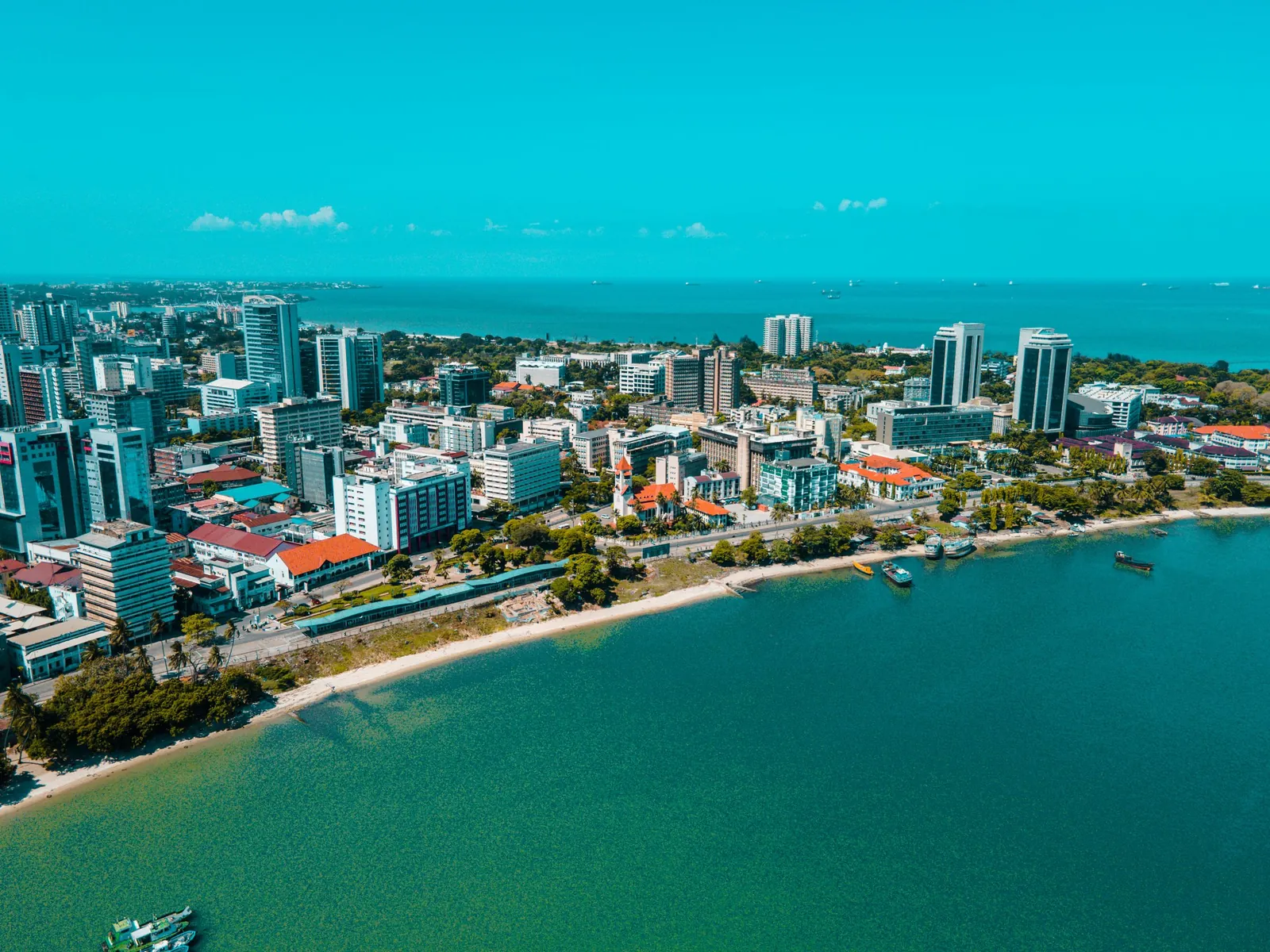
Dar es Salaam is Tanzania's busy coastal gateway, where Swahili traditions, Indian Ocean scenery, and modern city life meet. Explore markets and museums, eat fresh seafood, and use the city as a base for nearby islands and beaches. Traffic can be heavy, so plan each day around a few nearby sights.
The drier months from June to October are generally comfortable for city sightseeing, beach time, and onward travel. January and February can also be warm and rewarding, although humidity is high. March to May is typically wetter, with some businesses and outdoor plans affected by rain.
Visit the National Museum and House of Culture, browse the busy Kariakoo Market, and see historic buildings around the city centre. For a change of pace, take a boat to Bongoyo Island or Mbudya Island for swimming and a simple beach day. Local restaurants and evening food spots are a good way to experience coastal Swahili flavors.
City Centre and Kivukoni are convenient for ferries, museums, and central business areas. Oyster Bay and Masaki offer more restaurants, shopping, and polished accommodation, while Msasani suits travelers looking for a coastal neighborhood atmosphere. Choose a location close to your main plans to reduce time in traffic.
Dar es Salaam can suit a range of travel styles. Local eateries and simple guesthouses keep costs down, while air-conditioned hotels, private transport, and island excursions raise the daily total. Carry some Tanzanian shillings for small purchases, and confirm fares or excursion inclusions before setting off.
Taxis and app-based car services are practical for most visitors, especially when traveling after dark or carrying luggage. Daladala minibuses are inexpensive but can be crowded and difficult to navigate without local guidance. Ferries connect the city with Kigamboni, while flights and buses serve destinations farther along the coast.
Use normal big-city precautions, particularly around crowded markets, transport hubs, and busy beaches. Keep valuables out of sight, use trusted transport, and avoid walking alone in unfamiliar areas at night. Check current local guidance and follow advice from your accommodation for beach trips and boat excursions.