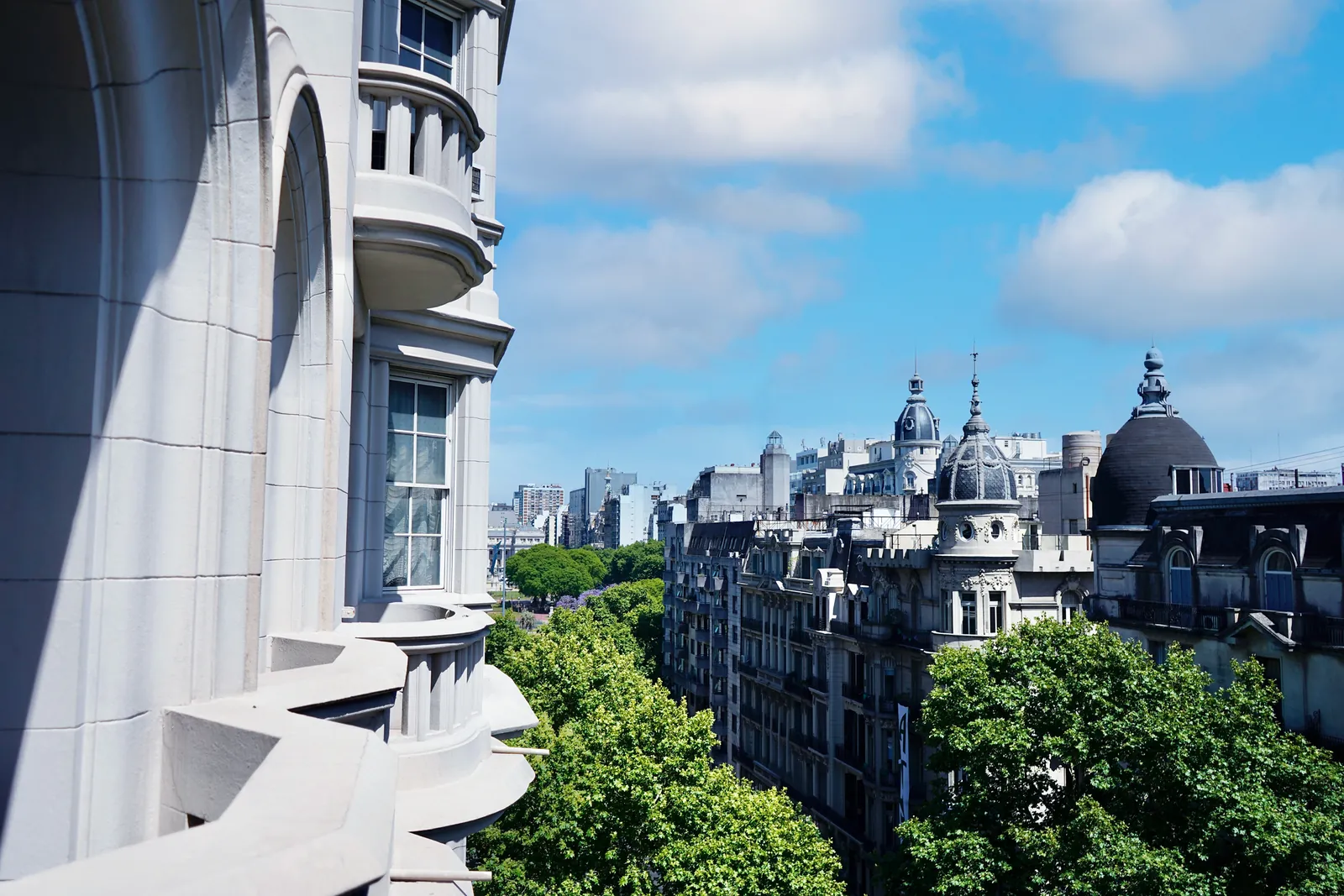
Buenos Aires blends European-inspired avenues with distinctly Argentine neighbourhoods, from café-lined Recoleta to colourful Caminito in La Boca. Spend time in plazas, museums, markets, and parrillas, then follow the city's famously late schedule into the evening.
Spring and autumn usually offer the most comfortable balance of mild weather and lively city energy. Summer can be hot and humid, while winter is generally cooler but still suitable for museums, cafés, and neighbourhood walks.
Watch a tango performance or take an introductory class, explore the Recoleta Cemetery, and browse the weekend market at San Telmo. Add a football match, the modern galleries of Puerto Madero, and a day trip to the Tigre Delta if your schedule allows.
Palermo suits travelers who want restaurants, bars, boutiques, and leafy streets. Recoleta is a polished base for museums and central sightseeing, while San Telmo offers historic architecture and a more atmospheric nightlife scene.
Daily costs vary with exchange rates, accommodation style, and how often you dine out. Travelers on a lower budget can use public transport and neighborhood cafés, while mid-range visitors can combine comfortable lodging with restaurant meals and paid attractions. Recheck local prices before publishing.
Buenos Aires has an extensive bus network and a useful subway system for many central routes. Walking works well within neighbourhoods, while taxis and ride-hailing services are practical for longer trips, especially after dark. Use normal city awareness in crowded transport areas.
Buenos Aires is a major city where petty theft and phone snatching can occur, particularly in busy tourist areas and on crowded public transport. Keep valuables discreet, use reputable transport, and ask local accommodation staff about areas and routes that are best avoided at night.