Atlazi

3 days in Barcelona: a day-by-day sightseeing plan

Barcelona is the city of Gaudí and Catalan modernisme, set between a medieval old town and the hill of Montjuïc. Day one goes from the Sagrada Família along Passeig de Gràcia to the Palau de la Música and the Arc de Triomf, day two climbs to Park Güell and Gràcia before Sant Pau and La Rambla, and day three crosses the Gothic Quarter, the Born and the Raval to finish with Miró on Montjuïc.

Day 1

Sagrada Família, Passeig de Gràcia and the Palau de la Música

5 stops
  1. 09:00
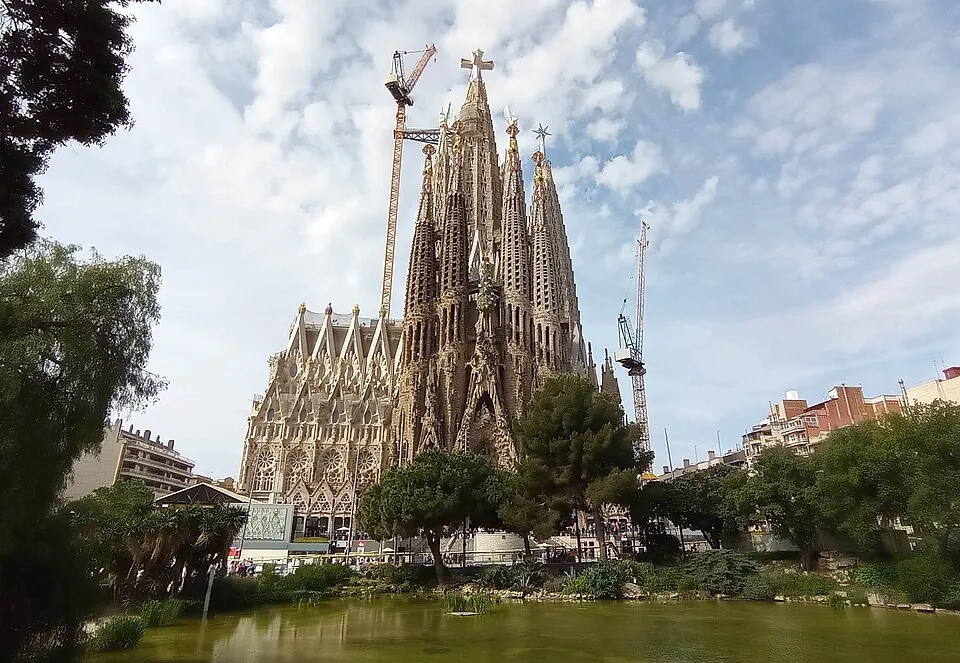
    Basilica and Expiatory Church of the Holy Family

    Basilica and Expiatory Church of the Holy Family

    About 1 h 30 min

    Gaudí's basilica has been under construction since 1882, and its forest-like nave lit by coloured stained glass is what brings many travellers to Barcelona. An hour and a half covers the nave, the facades and the museum below, so book a timed entry and arrive ready to go straight in.

  2. Walk, 23 min
  3. 10:55
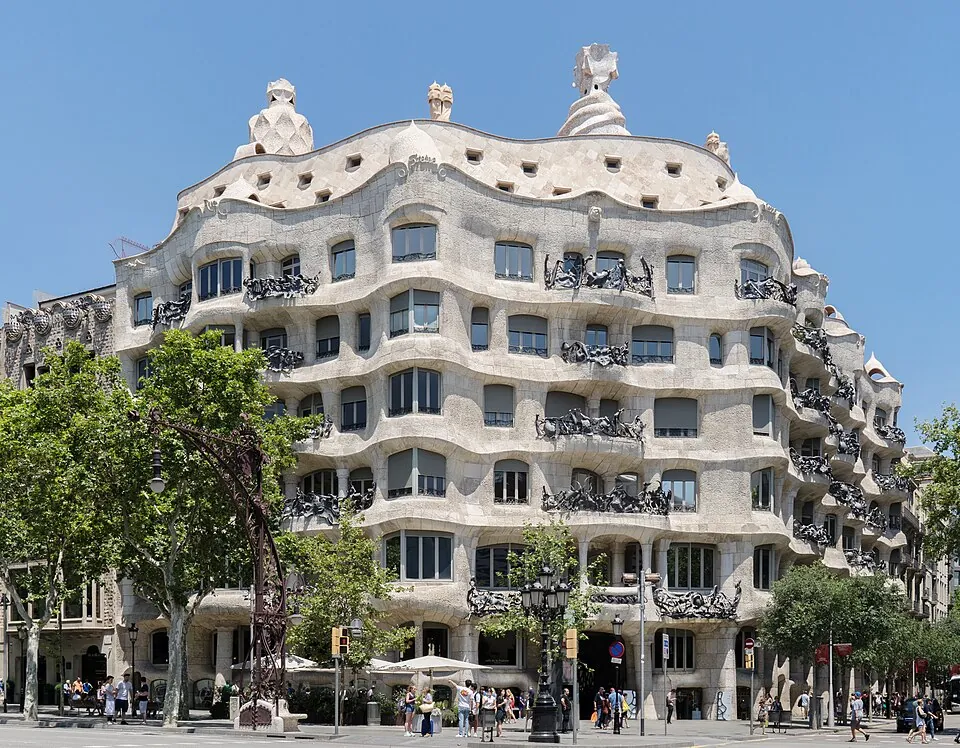
    Casa Milà

    Casa Milà

    About 45 min

    La Pedrera, Gaudí's last private residence, is known for its rippling stone facade and a rooftop of sculpted chimneys that look like helmeted guards. The rooftop is the highlight, and from here it is a short stroll down Passeig de Gràcia to Casa Batlló.

  4. Walk, 7 min
  5. 11:50
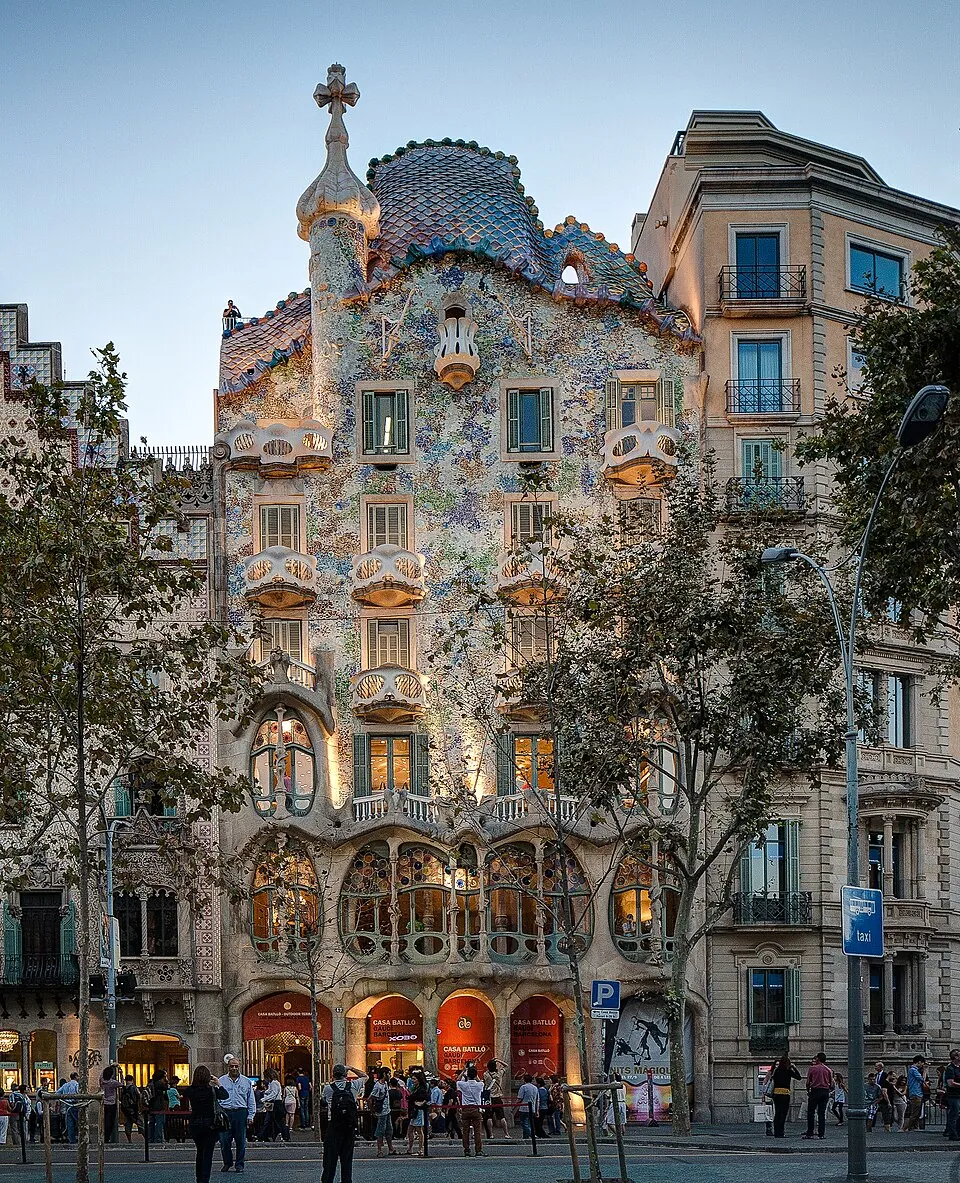
    Casa Batlló

    Casa Batlló

    About 45 min

    Gaudí remodelled this house in 1904 into something closer to a sea creature, with a scaled, dragon-backed roof and bone-shaped balconies. Inside, slow down at the light well tiled in shades of blue that deepen toward the top.

  6. Walk, 16 min
  7. 12:55
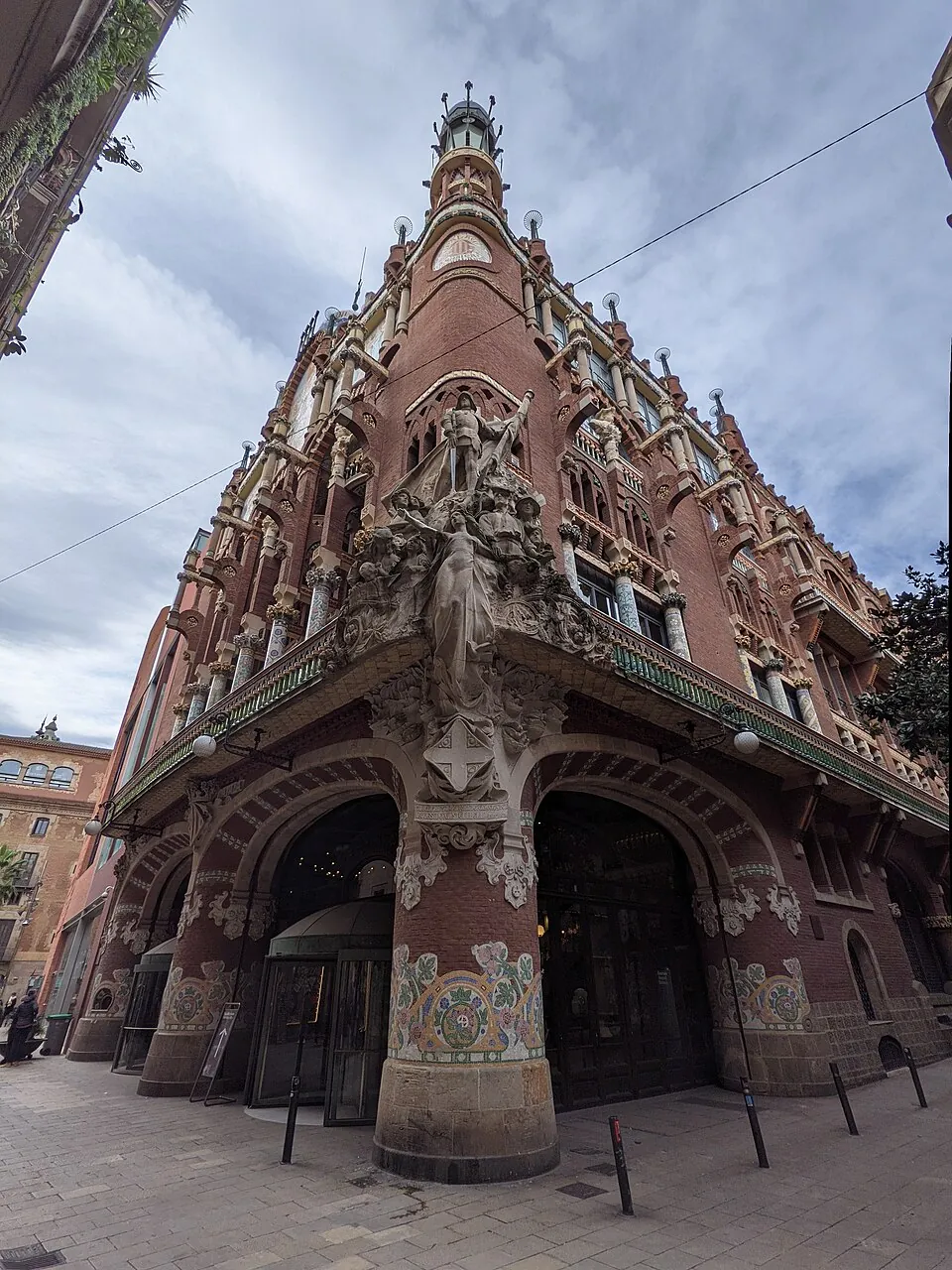
    Palau de la Música Catalana

    Palau de la Música Catalana

    About 1 h

    Lluís Domènech i Montaner built this concert hall for the Orfeó Català choir and covered it in mosaic, stained glass and sculpture, crowned by a glass skylight over the hall. Visits are by guided tour, so book a slot that fits before the short walk to the Arc de Triomf.

  8. Walk, 9 min
  9. 14:05
    Arc de Triomf

    Arc de Triomf

    About 20 min

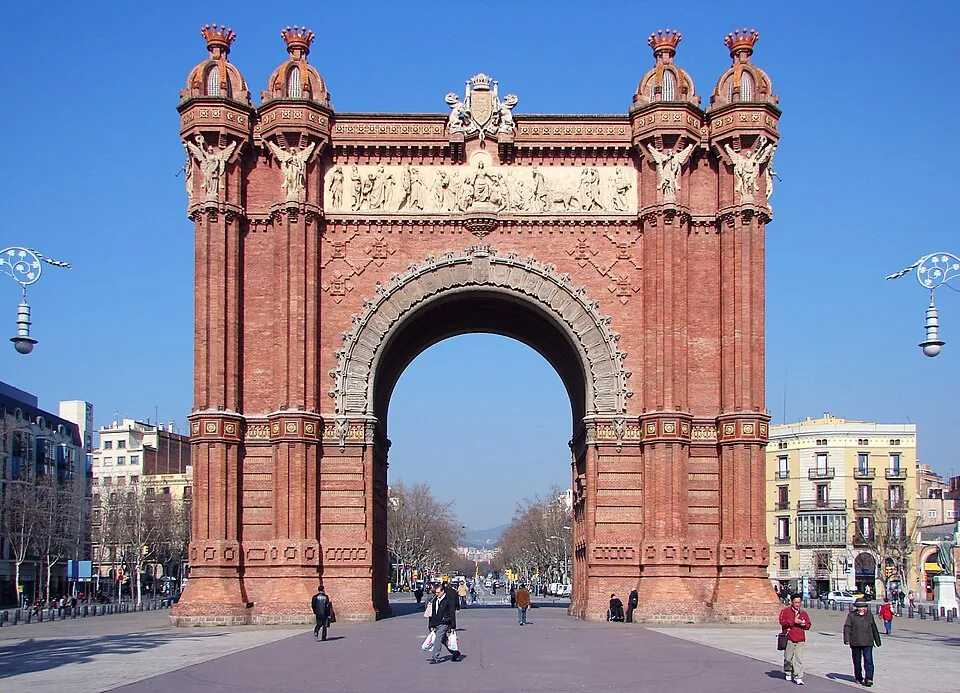
    This red brick arch was built as the main gate to the 1888 World Fair and opens onto a broad promenade leading to Parc de la Ciutadella. It is a quick photo stop, and the park beyond is the natural place to end the day.
Day 2

Park Güell, Gràcia, Sant Pau and La Rambla

5 stops
  1. 09:00
    Park Güell

    Park Güell

    About 1 h 40 min

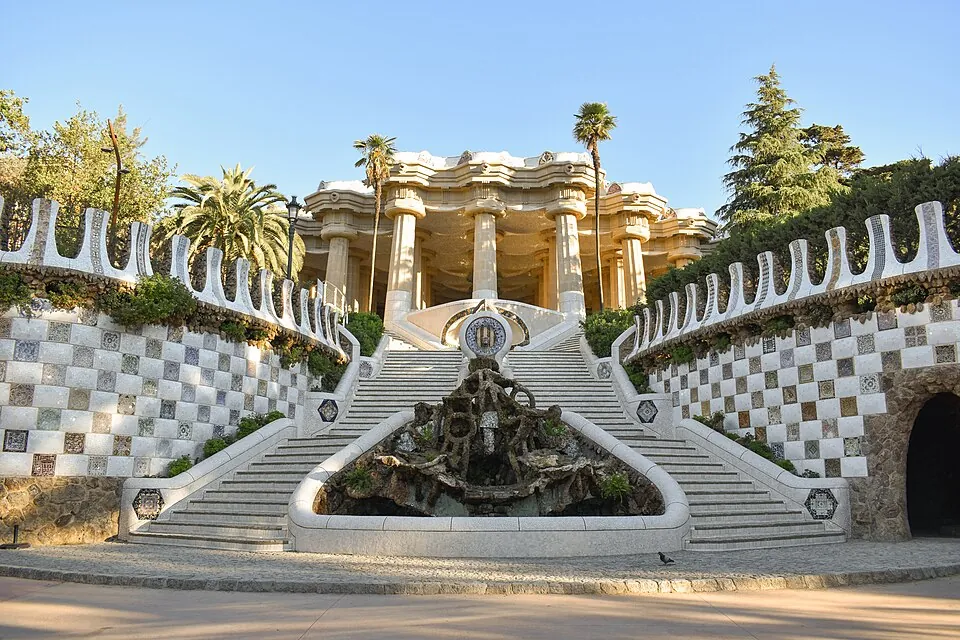
    Gaudí's hillside park in Gràcia mixes gardens with tiled terraces, the mosaic salamander on the main stairs and a long, winding bench with views to the sea. The monumental area uses timed tickets, so book ahead and keep the rest of the park for a slower walk.

  2. Walk, 18 min
  3. 11:00
    Casa Vicens

    Casa Vicens

    About 1 h

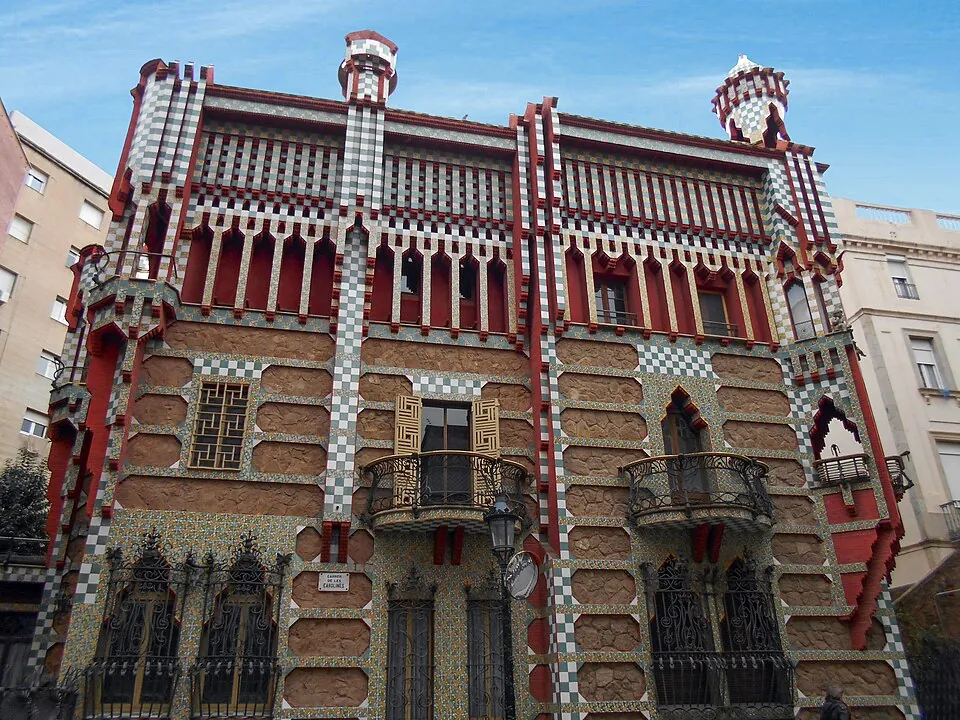
    Gaudí's first major house, built in the 1880s, is covered in green and white tiles with Moorish touches and was a private home for well over a century. It shows where his style began, a good contrast with what you saw on day one.

  4. Taxi, 5 min
  5. 12:05
    Hospital de Sant Pau

    Hospital de Sant Pau

    About 45 min

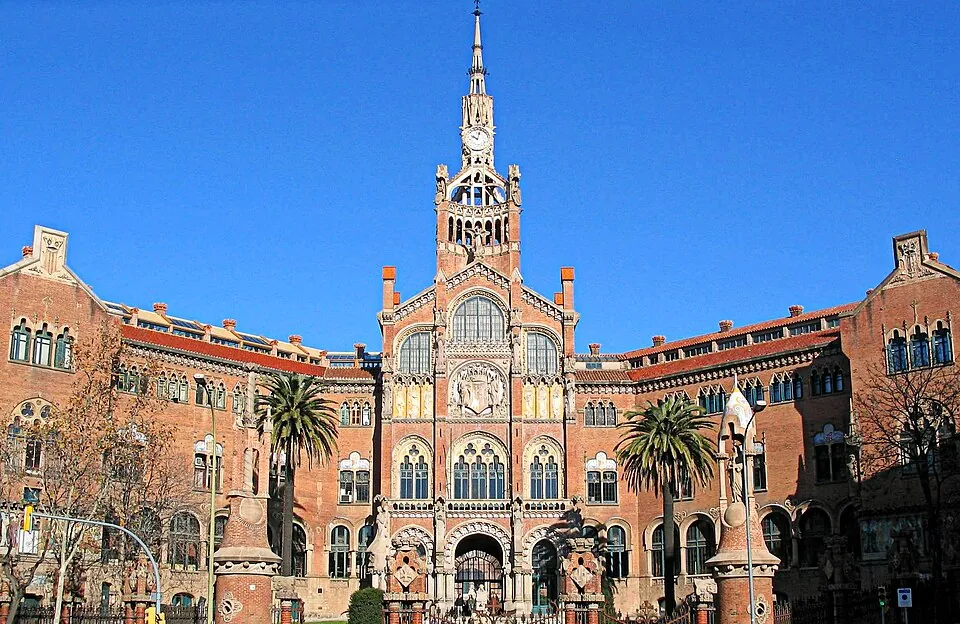
    Domènech i Montaner's former hospital is a complex of pavilions with tiled domes linked by gardens, one of the largest works of Catalan modernisme. Walk the grounds and step into a restored pavilion before the taxi down to La Rambla.

  6. Taxi, 9 min
  7. 13:00
    Gran Teatre del Liceu

    Gran Teatre del Liceu

    About 1 h

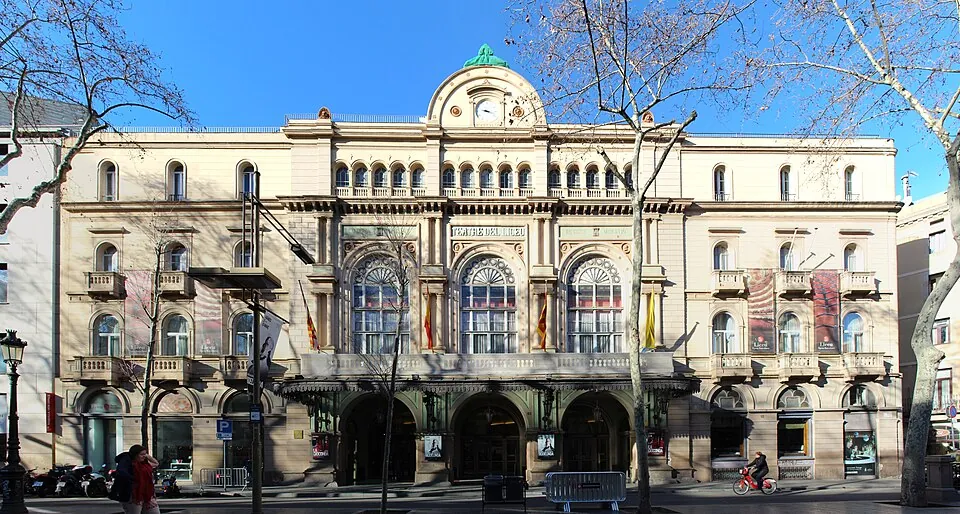
    The Liceu on La Rambla is the city's opera house, first opened in the 1840s and rebuilt after a fire in 1994. A guided visit takes you into the horseshoe auditorium and the gilded Hall of Mirrors, and Palau Güell is a few minutes' walk away.

  8. Walk, 3 min
  9. 14:05
    Palau Güell

    Palau Güell

    About 1 h 35 min

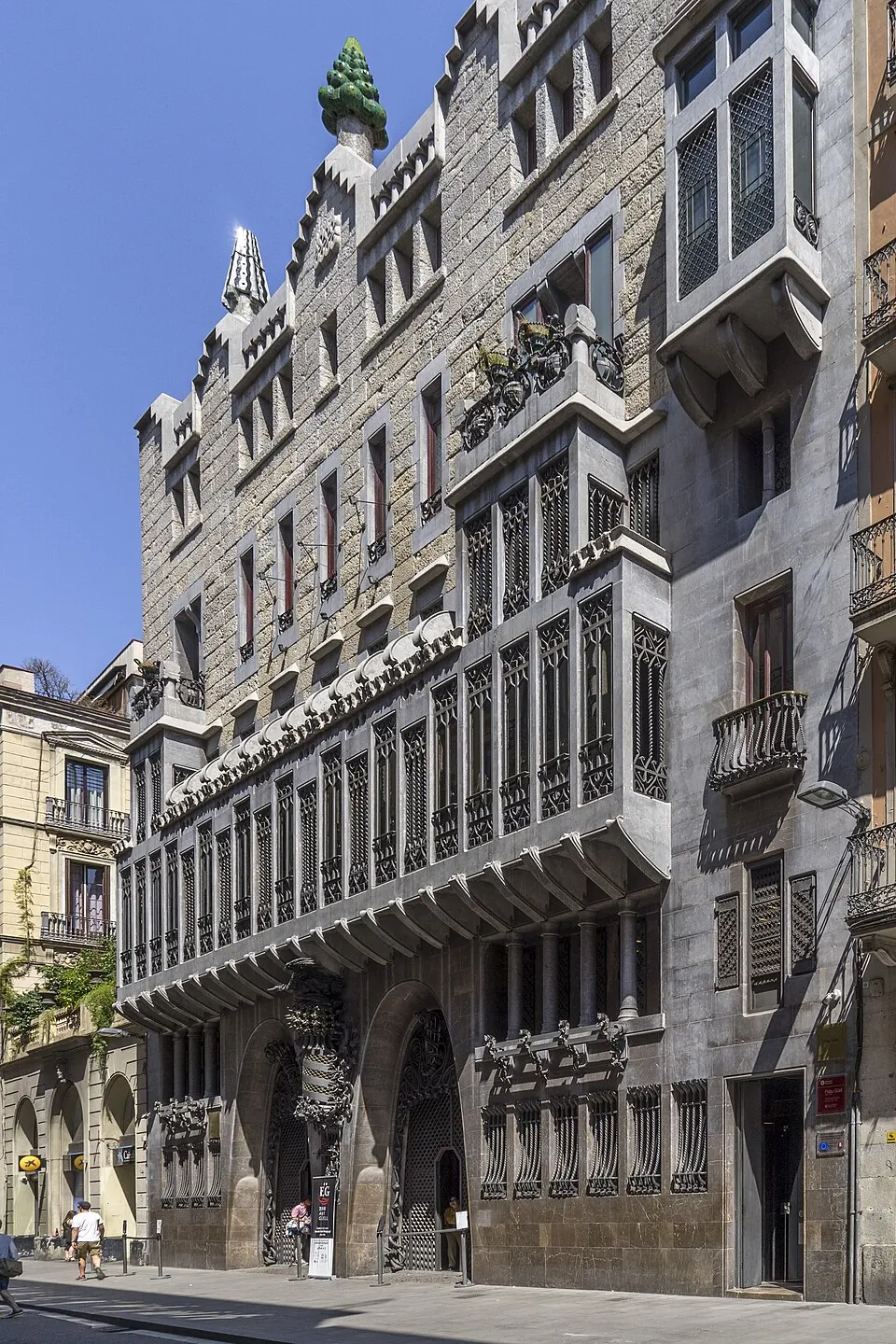
    One of Gaudí's early works, this mansion for the industrialist Eusebi Güell shows his ideas taking shape, from the parabolic arches inside to the colourful chimneys on the roof. It sits just off La Rambla in El Raval and closes the day at an easy pace.

Day 3

The Gothic Quarter, the Born, the Raval and Montjuïc

5 stops
  1. 09:00
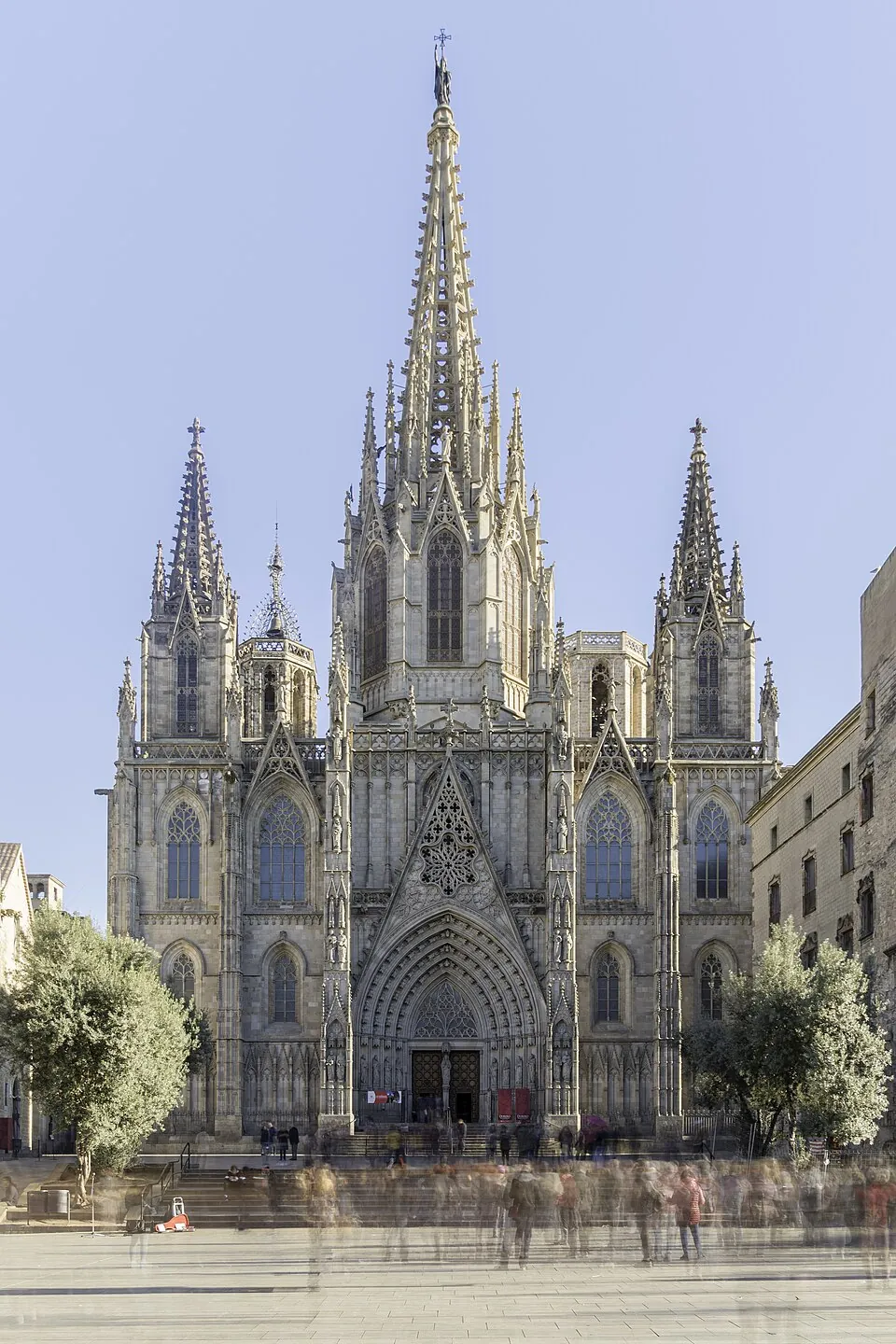
    Cathedral of the Holy Cross and Saint Eulalia

    Cathedral of the Holy Cross and Saint Eulalia

    About 50 min

    Barcelona Cathedral, built between the 13th and 15th centuries, is the heart of the Gothic Quarter. Look for the cloister with its flock of 13 white geese, and if you can, go up to the roof for a view over the old town.

  2. Walk, 7 min
  3. 10:00
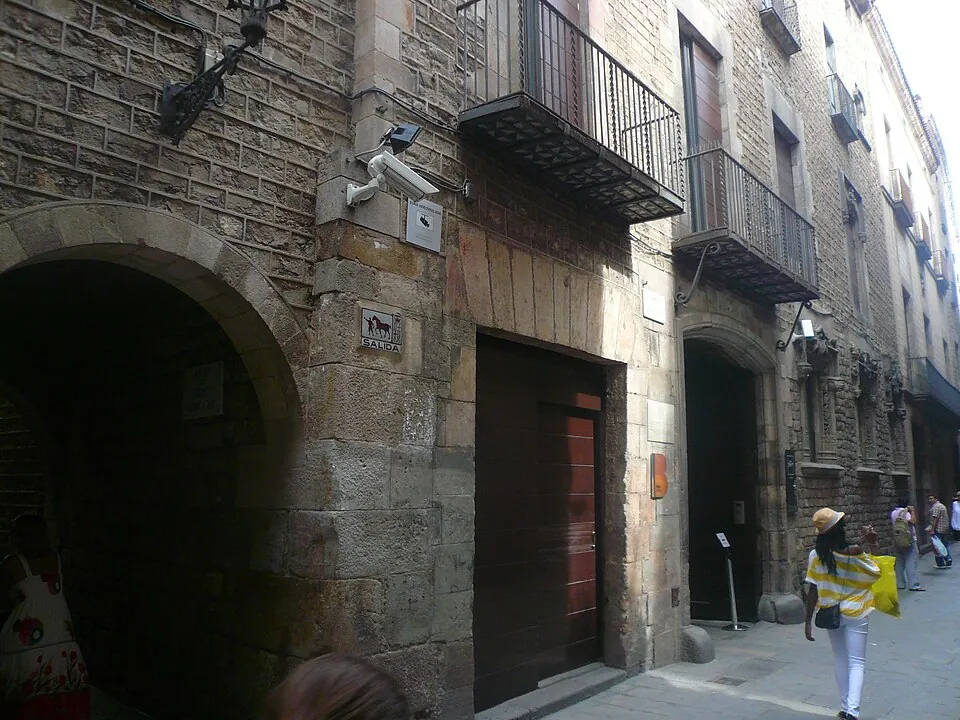
    Museu Picasso

    Museu Picasso

    About 1 h 35 min

    Spread across medieval palaces on Carrer Montcada, the museum is strongest on Picasso's early years and training in Barcelona, plus his series of variations on Velázquez's Las Meninas. An hour and a half suits a good look before the short walk to Santa Maria del Mar.

  4. Walk, 3 min
  5. 11:40
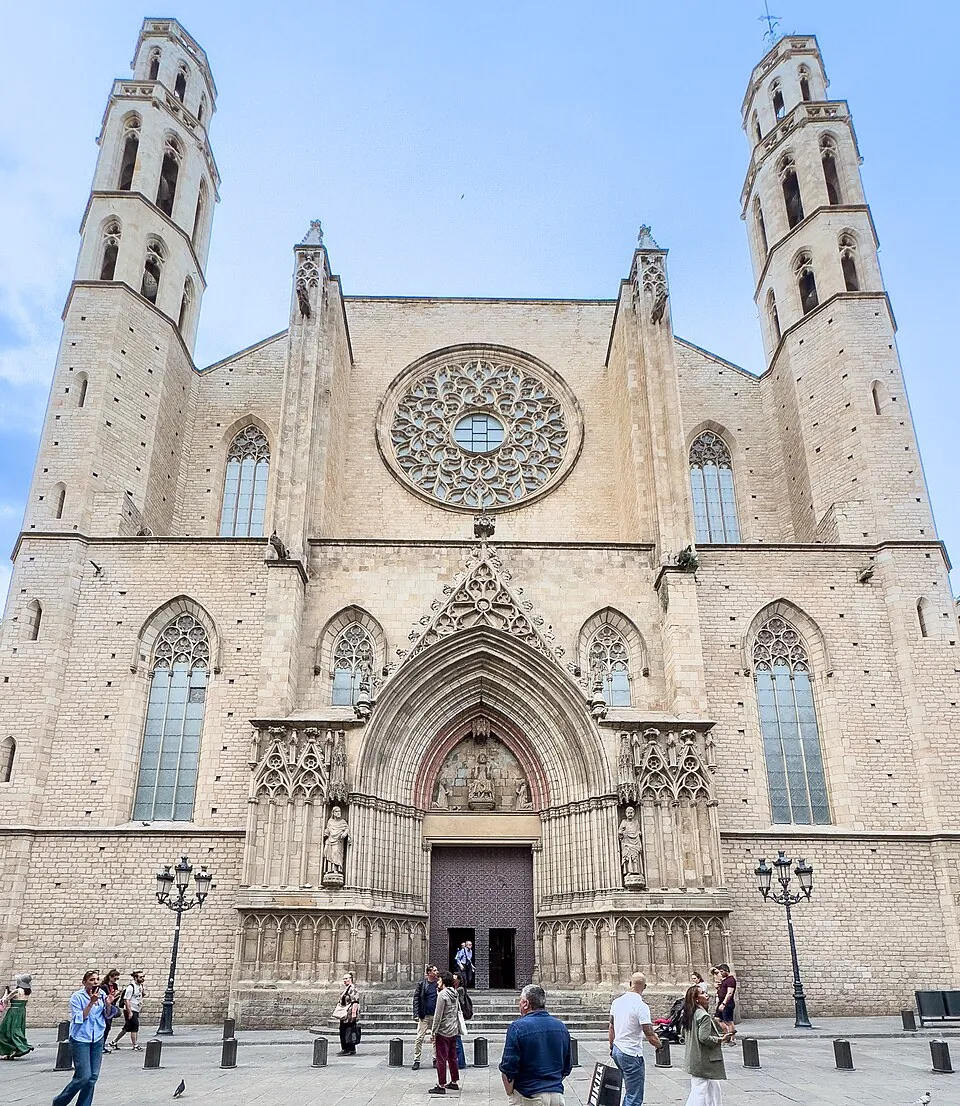
    Basilica of Our Lady of the Sea

    Basilica of Our Lady of the Sea

    About 45 min

    Santa Maria del Mar is a 14th-century Catalan Gothic church with a wide, airy nave and slender columns, built by the people of the seafaring Ribera quarter. It feels calmer than the cathedral, and the Born lanes around it suit a coffee break.

  6. Walk, 20 min
  7. 12:45
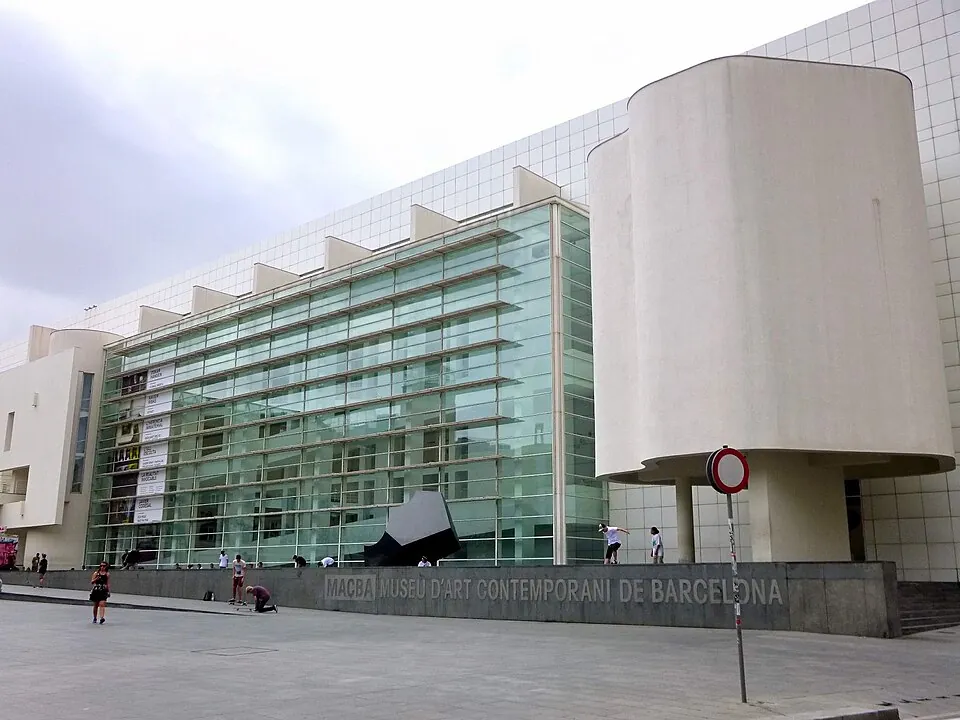
    MACBA Barcelona Museum of Contemporary Art

    MACBA Barcelona Museum of Contemporary Art

    About 1 h 30 min

    Richard Meier's bright white building holds contemporary art from the mid-20th century on, and the square in front is a favourite spot for skateboarders. It makes a change of pace from modernisme before you head up Montjuïc.

  8. Taxi, 4 min
  9. 14:20
    Fundació Joan Miró

    Fundació Joan Miró

    About 1 h 35 min

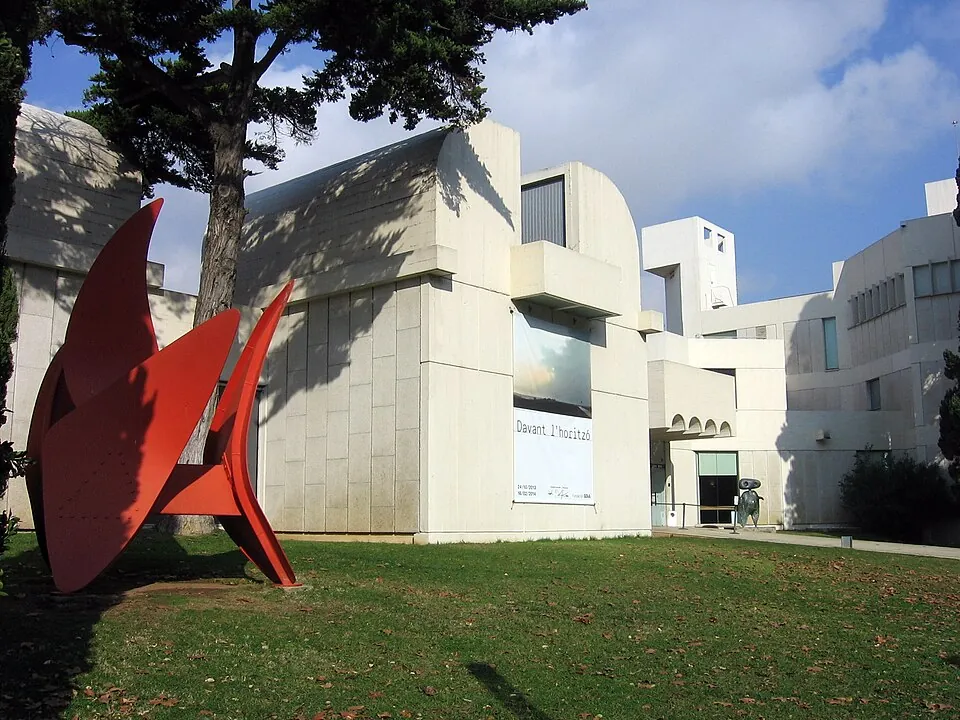
    Josep Lluís Sert designed this white building on Montjuïc for his friend Joan Miró, and it holds a large collection of his paintings, sculptures and tapestries. Finish on the roof terraces and in the garden, which look out over the city.

Good to know

  • Book timed entry ahead for the Sagrada Família, Park Güell, Casa Batlló and Casa Milà, the city's most visited sights.
  • The plan walks between nearby stops and uses short taxi rides from Gràcia to Sant Pau and La Rambla on day two and up to Montjuïc on day three; the metro covers the same jumps.
  • Keep an eye on your bag in crowded places such as La Rambla, the metro and the old town lanes.
  • Late spring and early autumn are pleasant for walking; July and August are hot and crowded.
  • You can open this plan in Atlazi and change it to your pace.

Make this plan yours

Copy it into your trips, then change the days, places and times as you like.