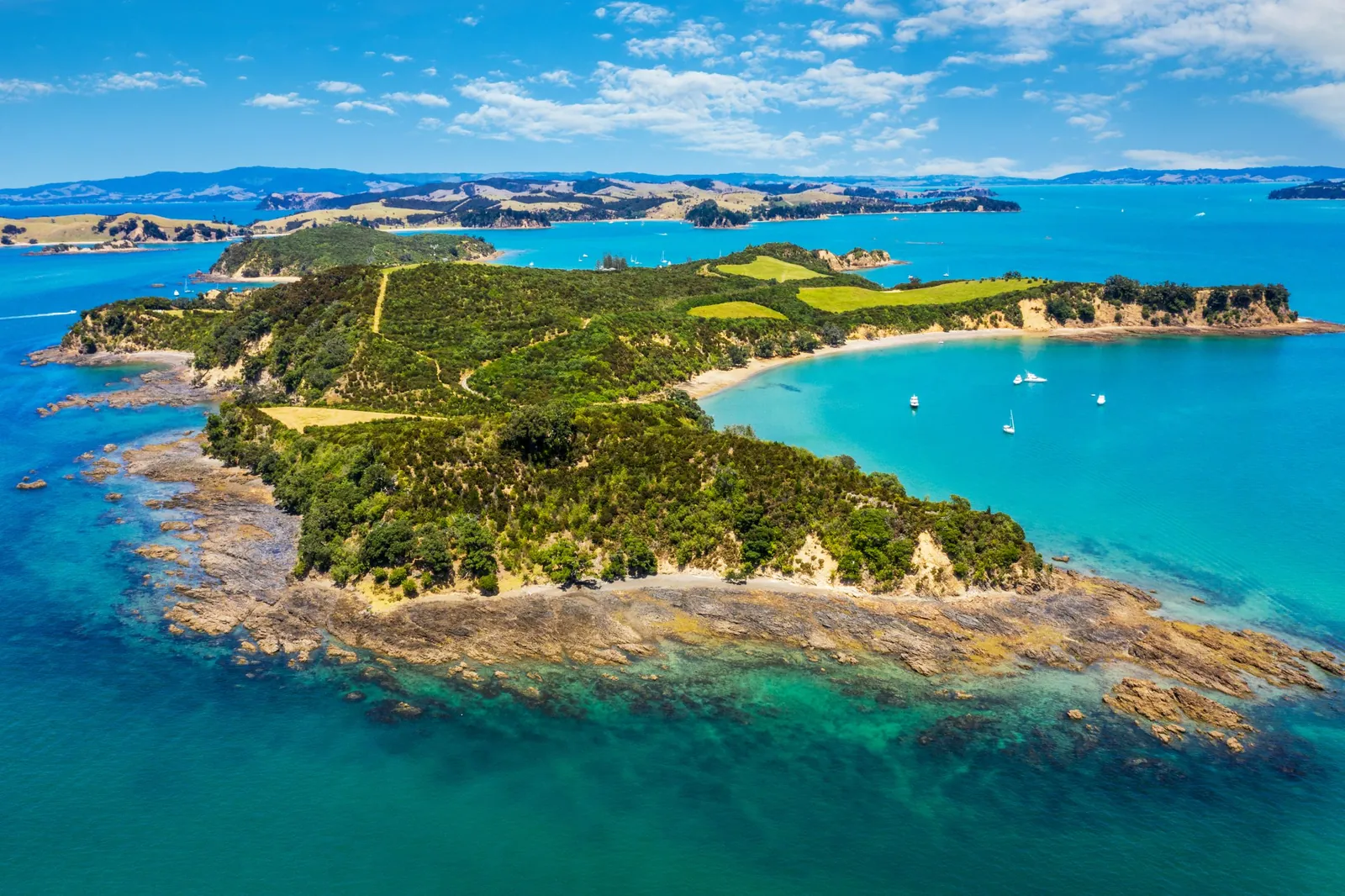
Auckland is built around two harbours and a chain of green volcanic cones, giving the city a distinctly coastal feel. Explore the waterfront, learn about Māori and Pacific cultures, and use the city as a base for beaches, wine islands, and short regional escapes.
Summer, from December to February, is popular for swimming, sailing, and day trips, with longer daylight and generally warm conditions. Spring and autumn can offer a good balance of outdoor weather and fewer visitors, while winter is mild but often wetter.
Walk up Maungawhau or another accessible volcanic cone for wide harbour views, then visit the Auckland War Memorial Museum or the galleries in the city centre. Take a ferry to Waiheke Island for beaches and vineyards, or head west toward the rugged Waitākere coast, checking local track conditions before setting out.
Stay in the City Centre or Viaduct Harbour for waterfront access, restaurants, and transport connections. Ponsonby and Parnell suit travelers seeking cafés, boutiques, and a neighbourhood atmosphere, while Newmarket is convenient for shopping and links across the wider city.
Auckland is one of New Zealand's more expensive destinations. Budget travelers can save with hostels, supermarkets, public transport, and free coastal walks, while mid-range trips usually combine casual meals with a comfortable hotel and selected paid attractions. Add extra room for ferry fares, car rental, and activities outside the centre.
Auckland's buses, trains, and ferries cover many useful routes, with an AT HOP card helping regular travelers manage public transport. The central area is walkable, but the wider region is spread out, so a rental car or organized tour is useful for beaches, vineyards, and regional day trips.
Auckland is generally straightforward for visitors, but petty theft can occur in crowded areas and around transport hubs. Keep valuables secure, take care on beaches and coastal tracks, and check weather and trail conditions before exploring the region's volcanic and west coast landscapes.